The Fourth Of July 1999: A Pivotal Day In Calendar History
The Fourth of July 1999: A Pivotal Day in Calendar History
Related Articles: The Fourth of July 1999: A Pivotal Day in Calendar History
- 24th July 2024: A Glimpse Into The Future Of Technology And Human Endeavors
- Bastille Day 2024: A Momentous Celebration Of Liberty And Unity
- 14th July 2024: A Day Of National Pride And Celebration
- 24th July 2004: A Pivotal Moment In The Global Fight Against HIV/AIDS
- 14th July 2024: A Day Of Celebration And Reflection
Introduction
With great pleasure, we will explore the intriguing topic related to The Fourth of July 1999: A Pivotal Day in Calendar History. Let’s weave interesting information and offer fresh perspectives to the readers.
Table of Content
Video about The Fourth of July 1999: A Pivotal Day in Calendar History
The Fourth of July 1999: A Pivotal Day in Calendar History
Introduction
The Gregorian calendar, which is the most widely used calendar in the world today, has undergone numerous revisions and adjustments throughout history. One such revision occurred on July 4, 1999, when a minor but significant change was made to the calendar’s structure. This article will delve into the details of this change and its impact on the calendar system.
The Need for a Leap Second
The Gregorian calendar is based on the Earth’s rotation around the Sun and its revolution around its own axis. However, the Earth’s rotation is not perfectly constant, and it gradually slows down over time. This means that the length of a day increases by a tiny amount each year.
To account for this gradual slowdown, the International Earth Rotation and Reference Systems Service (IERS) monitors the Earth’s rotation and makes adjustments to the calendar as necessary. These adjustments are made in the form of leap seconds, which are added to the end of Coordinated Universal Time (UTC) at irregular intervals.
The Leap Second of July 4, 1999
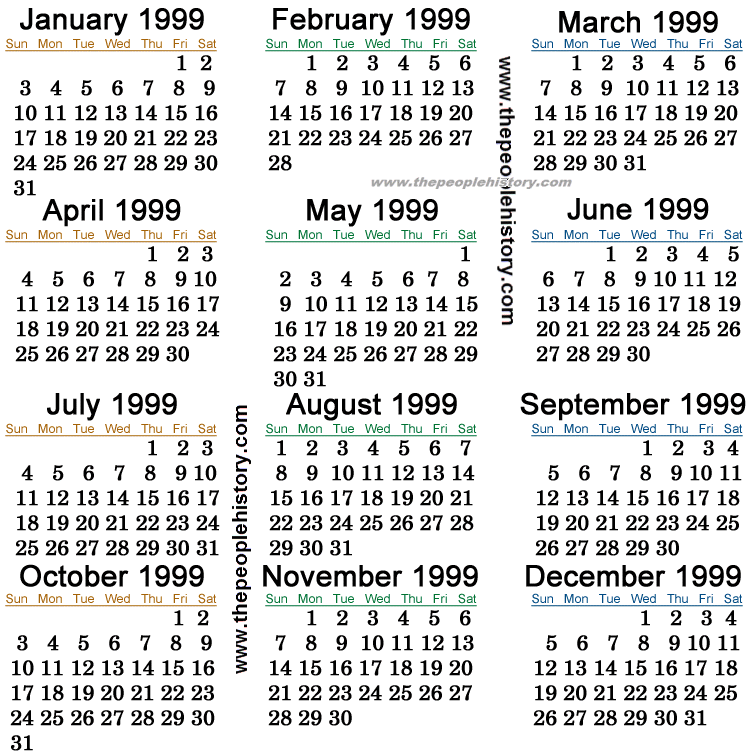
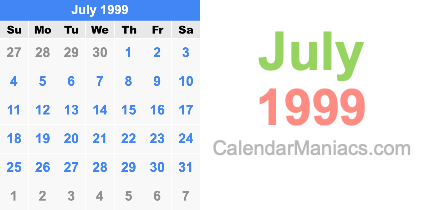
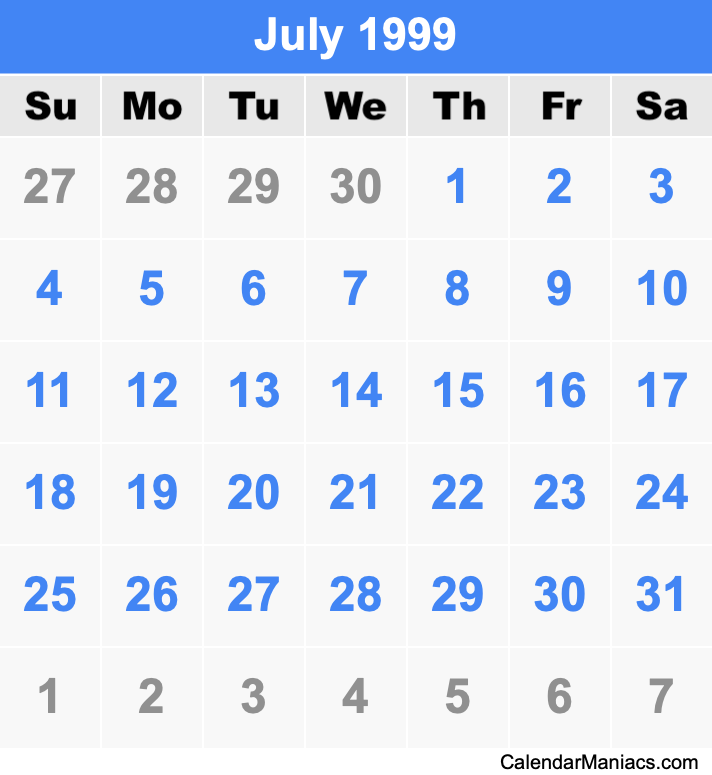
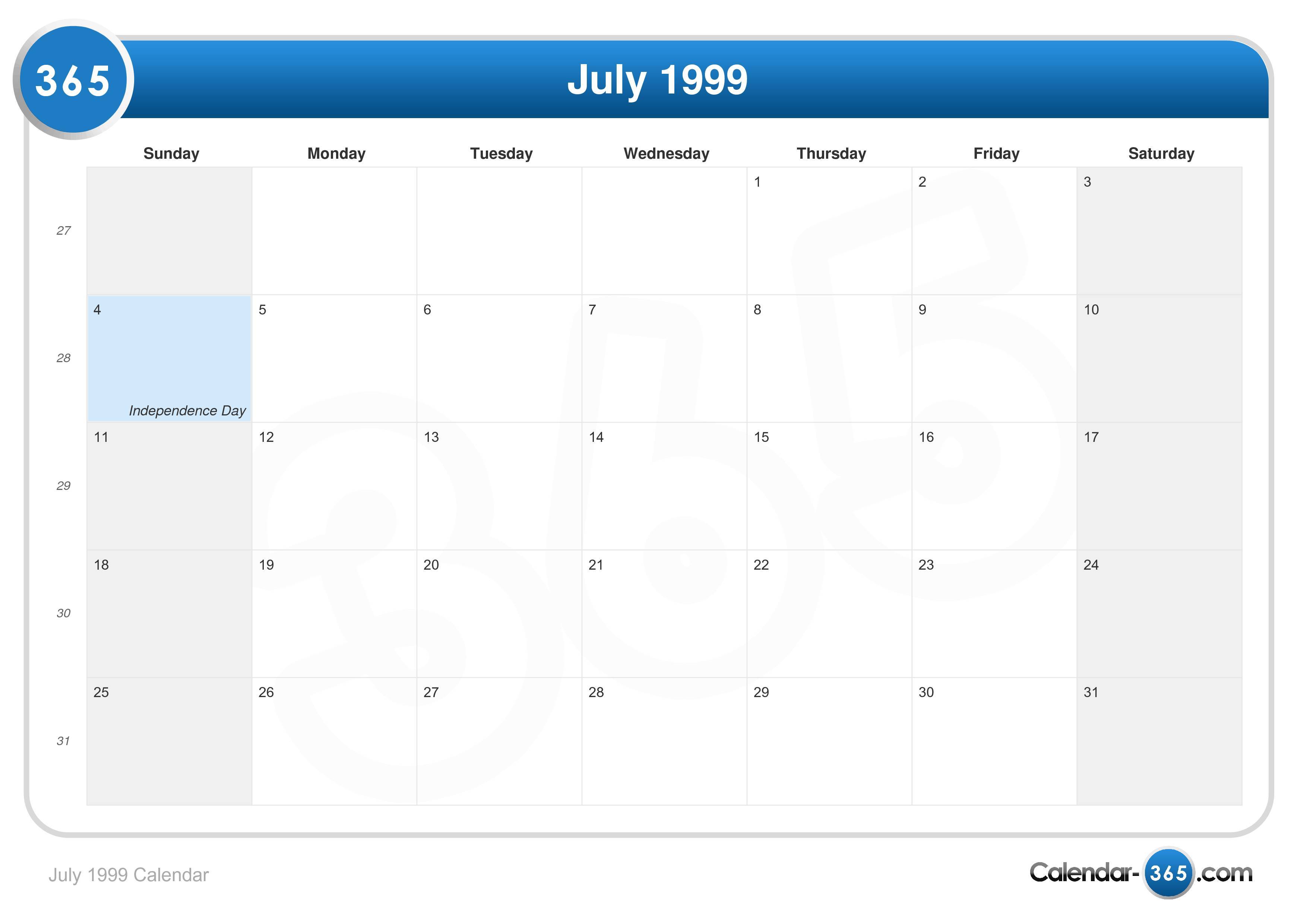
On July 4, 1999, at 23:59:60 UTC, a leap second was added to the calendar. This was the 24th leap second to be added since the introduction of the system in 1972. The purpose of this leap second was to keep UTC in sync with the Earth’s rotation and ensure that the calendar remained accurate.
Impact on the Calendar
The addition of the leap second on July 4, 1999, had a minor impact on the calendar. The day itself was 24 hours and 1 second long, instead of the usual 24 hours. This caused some minor disruptions to computer systems and software that were not prepared for the extra second.
However, the long-term impact of the leap second was more significant. It ensured that the calendar remained accurate and in sync with the Earth’s rotation. This is important for a variety of reasons, including navigation, communication, and scientific research.
Controversy and Concerns
Despite its importance, the use of leap seconds has been met with some controversy and concerns. Critics argue that leap seconds are disruptive and can cause problems for software and systems that are not designed to handle them. They also contend that leap seconds are unnecessary and that the calendar could be reformed to eliminate the need for them.
Proponents of leap seconds, however, argue that they are essential for maintaining the accuracy of the calendar. They point out that the Earth’s rotation is slowing down, and that without leap seconds, the calendar would eventually become inaccurate.
Future of Leap Seconds
The debate over the future of leap seconds is ongoing. In 2015, the International Telecommunication Union (ITU) voted to abolish leap seconds starting in 2035. However, this decision was later reversed, and the use of leap seconds continues for the time being.
It is likely that the issue of leap seconds will continue to be debated for years to come. However, it is clear that leap seconds are an important part of the calendar system, and they will likely continue to be used for the foreseeable future.
Conclusion
The addition of the leap second on July 4, 1999, was a minor but significant event in the history of the calendar. It ensured that the calendar remained accurate and in sync with the Earth’s rotation. While leap seconds have been met with some controversy, they are an important part of the calendar system and will likely continue to be used for many years to come.



Closure
Thus, we hope this article has provided valuable insights into The Fourth of July 1999: A Pivotal Day in Calendar History. We hope you find this article informative and beneficial. See you in our next article!













![Best Buy Upcoming Sale & Deals In [��January 2024 ]](https://grabon.com/blog/wp-content/uploads/2023/04/4th-of-july.png)