July 1999 And 2024: A Comparative Calendar Analysis
July 1999 and 2024: A Comparative Calendar Analysis
Related Articles: July 1999 and 2024: A Comparative Calendar Analysis
- Celebrate The Fourth Of July With A Patriotic Flag Cake
- Celebrate Independence Day With Patriotic Flair: A Comprehensive Guide To Walmart’s 4th Of July T-Shirts For 2024
- 4th Of July Images Clipart 2024: Celebrating Independence With Visuals
- 4th Of July Images Free 2024: Celebrate Independence Day With Stunning Visuals
- 4th Of July Sale Near Me: Best Deals For 2024
Introduction
In this auspicious occasion, we are delighted to delve into the intriguing topic related to July 1999 and 2024: A Comparative Calendar Analysis. Let’s weave interesting information and offer fresh perspectives to the readers.
Table of Content
Video about July 1999 and 2024: A Comparative Calendar Analysis
July 1999 and 2024: A Comparative Calendar Analysis
Introduction
The Gregorian calendar, the most widely used calendar in the world, is a solar calendar with 12 months and approximately 365.242 days per year. This means that the calendar year is slightly longer than the tropical year, which is the time it takes for the Earth to orbit the Sun. To compensate for this difference, the Gregorian calendar includes leap years, which are years with an extra day added to the month of February. Leap years occur every four years, except for years that are divisible by 100 but not by 400.
July 1999
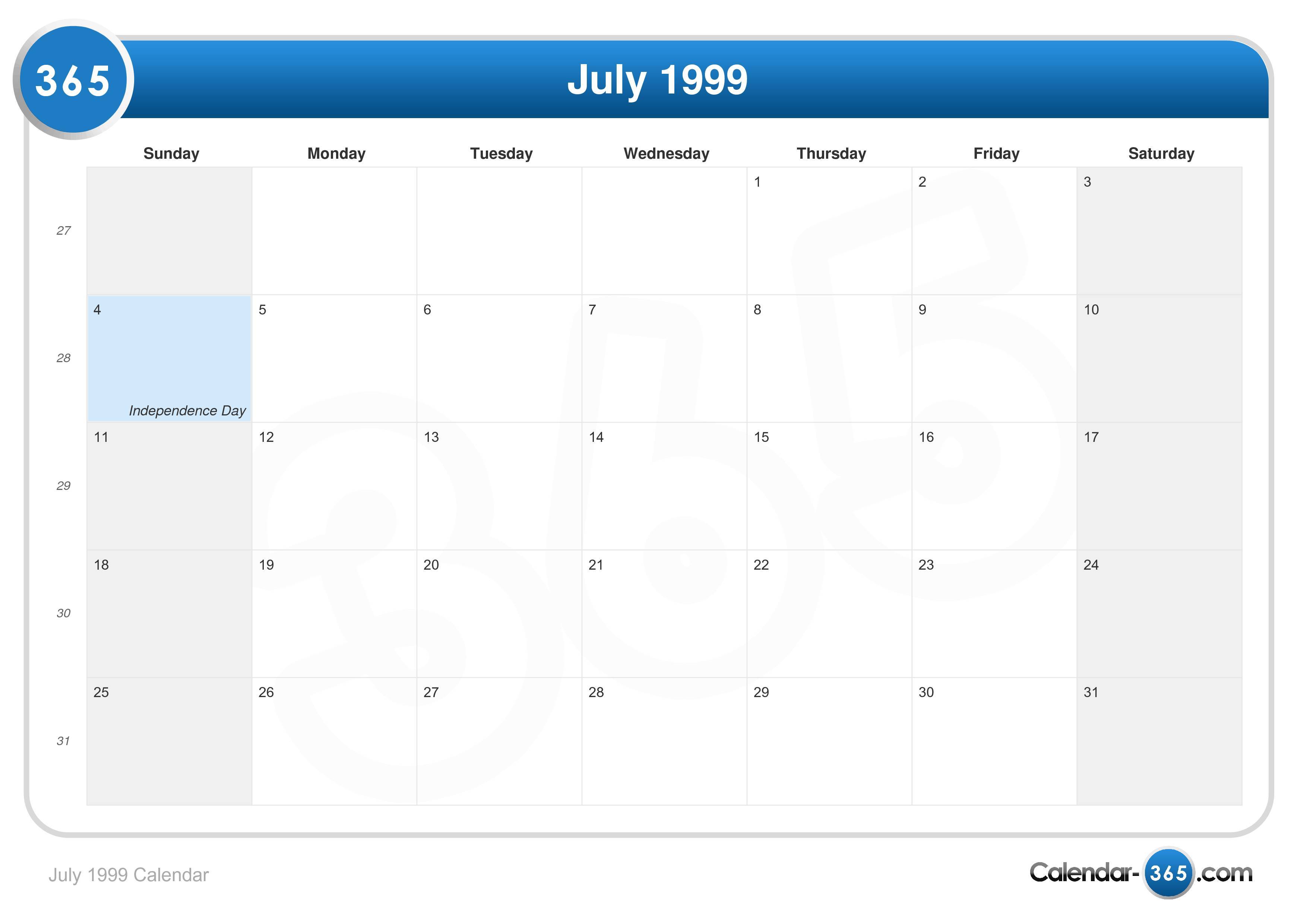
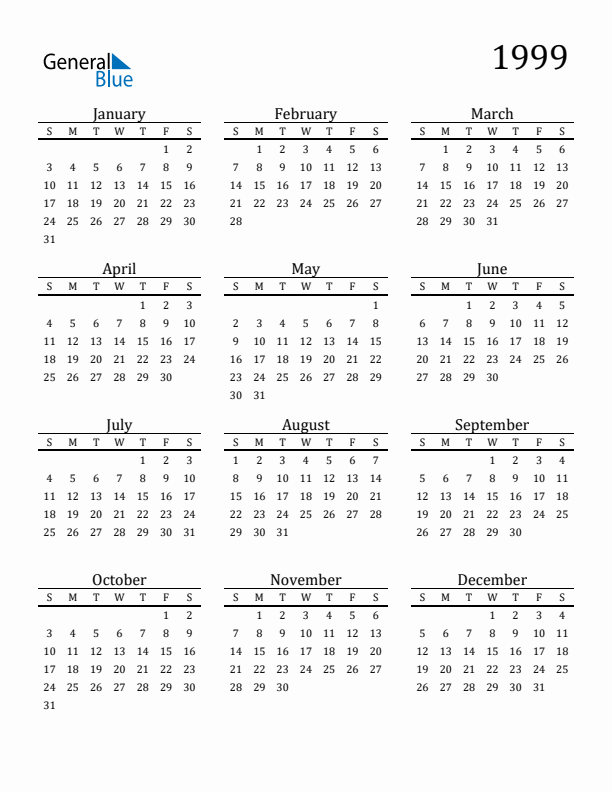
July 1999 was a common year, meaning that it did not have an extra day added to the month of February. The month began on a Thursday and ended on a Saturday. There were 31 days in July 1999.
July 2024
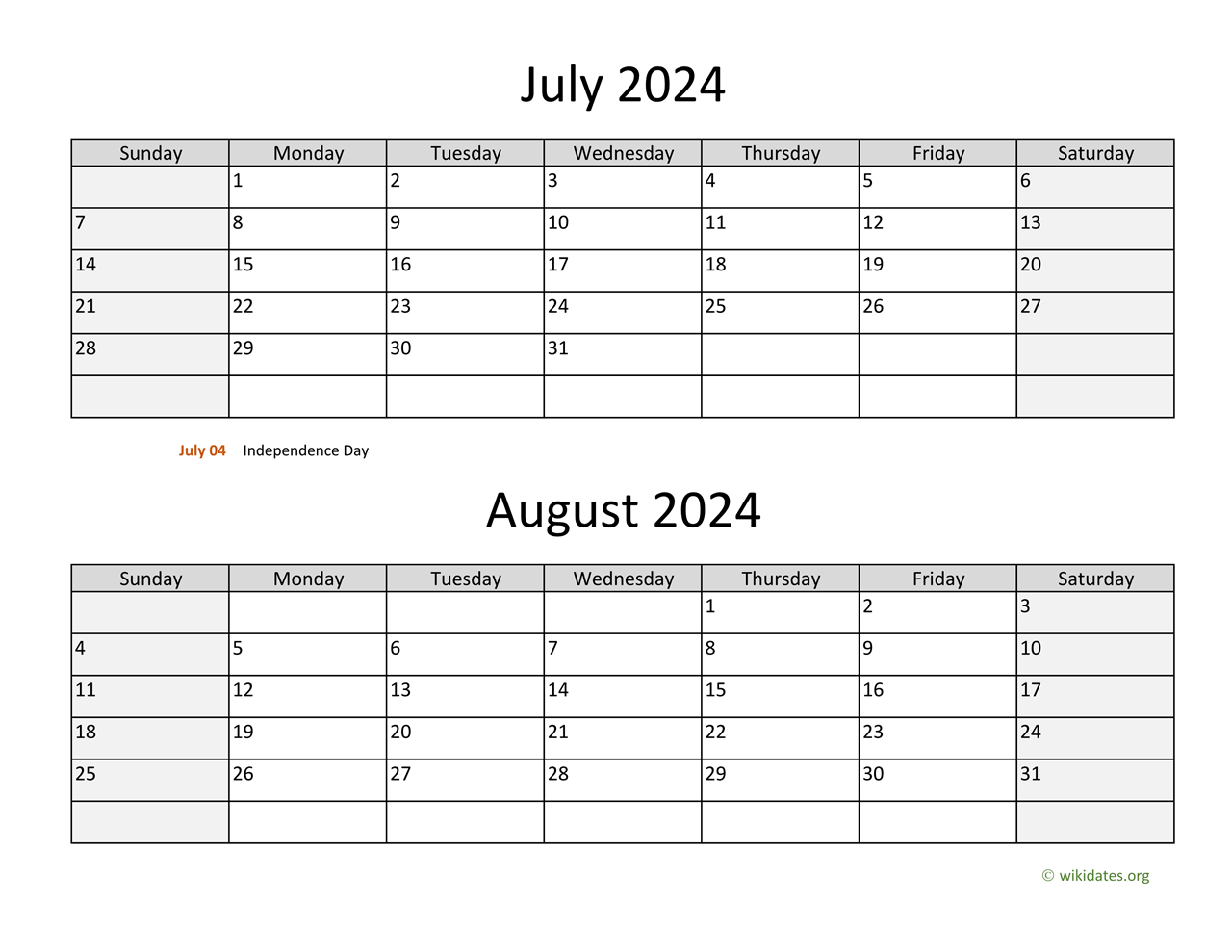
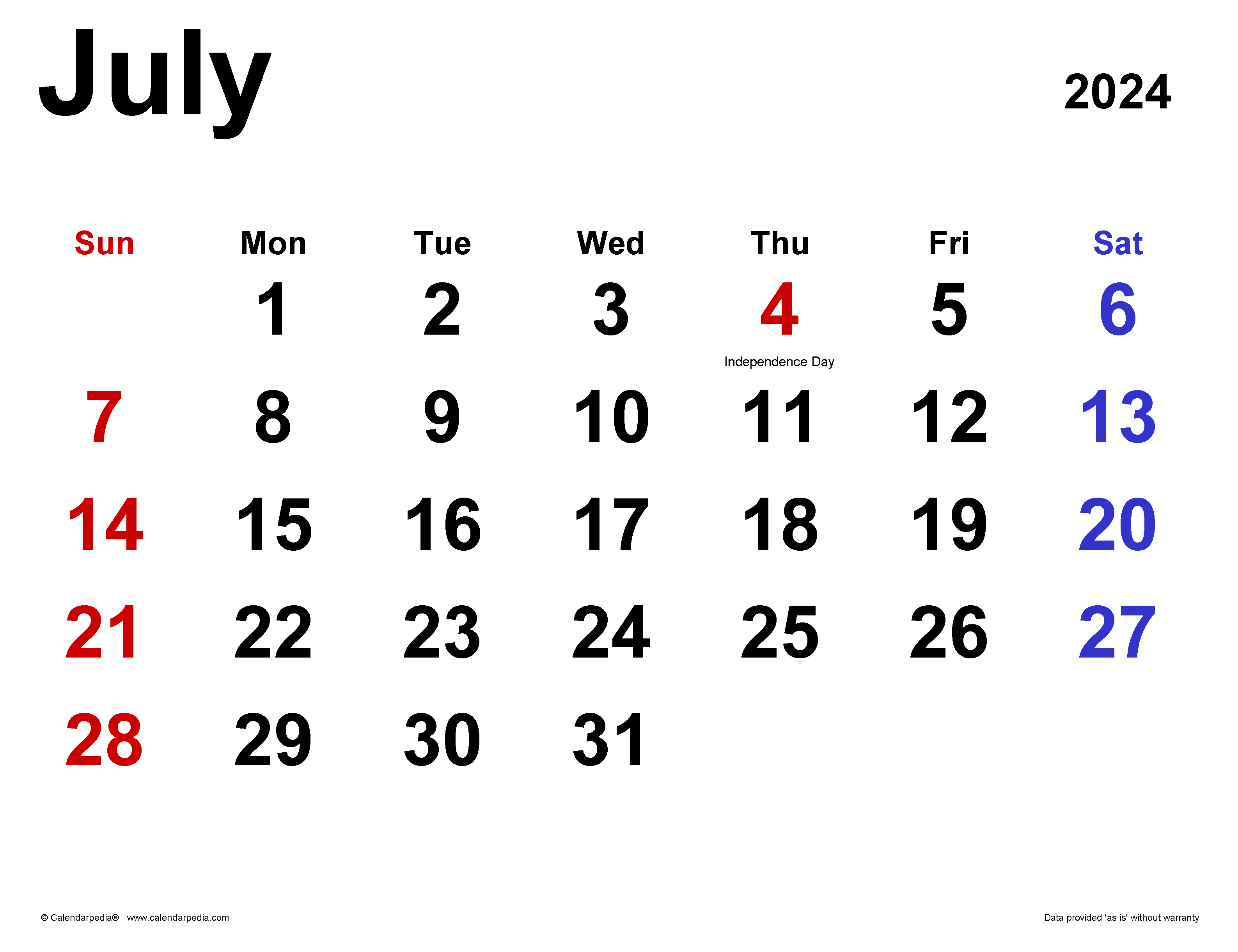
July 2024 will also be a common year. The month will begin on a Monday and end on a Wednesday. There will be 31 days in July 2024.
Comparison of July 1999 and July 2024
The following table compares the calendars for July 1999 and July 2024:
| Day | July 1999 | July 2024 |
|---|---|---|
| 1 | Thursday | Monday |
| 2 | Friday | Tuesday |
| 3 | Saturday | Wednesday |
| 4 | Sunday | Thursday |
| 5 | Monday | Friday |
| 6 | Tuesday | Saturday |
| 7 | Wednesday | Sunday |
| 8 | Thursday | Monday |
| 9 | Friday | Tuesday |
| 10 | Saturday | Wednesday |
| 11 | Sunday | Thursday |
| 12 | Monday | Friday |
| 13 | Tuesday | Saturday |
| 14 | Wednesday | Sunday |
| 15 | Thursday | Monday |
| 16 | Friday | Tuesday |
| 17 | Saturday | Wednesday |
| 18 | Sunday | Thursday |
| 19 | Monday | Friday |
| 20 | Tuesday | Saturday |
| 21 | Wednesday | Sunday |
| 22 | Thursday | Monday |
| 23 | Friday | Tuesday |
| 24 | Saturday | Wednesday |
| 25 | Sunday | Thursday |
| 26 | Monday | Friday |
| 27 | Tuesday | Saturday |
| 28 | Wednesday | Sunday |
| 29 | Thursday | Monday |
| 30 | Friday | Tuesday |
| 31 | Saturday | Wednesday |
As you can see, the calendars for July 1999 and July 2024 are very similar. The only difference is that July 1999 began on a Thursday and ended on a Saturday, while July 2024 will begin on a Monday and end on a Wednesday.
Conclusion
The Gregorian calendar is a very accurate calendar that has been used for centuries. It is a solar calendar that is based on the Earth’s orbit around the Sun. The calendar year is slightly longer than the tropical year, but leap years are added to compensate for this difference. July 1999 and July 2024 are both common years, meaning that they do not have an extra day added to the month of February. The only difference between the two calendars is that July 1999 began on a Thursday and ended on a Saturday, while July 2024 will begin on a Monday and end on a Wednesday.



Closure
Thus, we hope this article has provided valuable insights into July 1999 and 2024: A Comparative Calendar Analysis. We thank you for taking the time to read this article. See you in our next article!