4th Of July 1965: A Landmark In American History
4th of July 1965: A Landmark in American History
Related Articles: 4th of July 1965: A Landmark in American History
- 14th July 2024: A Day Of National Pride And Celebration
- Bastille Day 2024: A Grand Celebration Of French National Pride
- 24th July 2004: A Pivotal Moment In The Global Fight Against HIV/AIDS
- 14th July Day 2024: A Centennial Celebration Of Unity And Renewal
- 2024 4th Of July Eve Outfits And Accessories: A Guide To Patriotic Style
Introduction
With great pleasure, we will explore the intriguing topic related to 4th of July 1965: A Landmark in American History. Let’s weave interesting information and offer fresh perspectives to the readers.
Table of Content
Video about 4th of July 1965: A Landmark in American History
4th of July 1965: A Landmark in American History

Introduction
The 4th of July 1965 marked a pivotal moment in American history, heralding a transformative era characterized by significant social, political, and cultural advancements. This Independence Day witnessed the passage of the Voting Rights Act of 1965, a monumental piece of legislation that revolutionized the American electoral landscape and paved the way for greater political equality for African Americans.
The Road to the Voting Rights Act
The struggle for voting rights for African Americans had been a long and arduous one, marked by relentless resistance and systemic barriers. Despite the passage of the 15th Amendment in 1870, which prohibited the denial of voting rights based on race, Southern states implemented various measures to disenfranchise Black voters, including poll taxes, literacy tests, and intimidation.
The Civil Rights Movement and the Selma to Montgomery March
The Civil Rights Movement of the 1950s and 1960s gained momentum, galvanizing the nation to confront racial injustice and demand equal rights for all citizens. In 1965, the Selma to Montgomery march, led by Dr. Martin Luther King Jr., highlighted the persistent barriers faced by Black voters in Alabama. The march culminated in a violent confrontation with law enforcement officers, known as "Bloody Sunday," which shocked the nation and spurred Congress to take action.
Passage of the Voting Rights Act of 1965
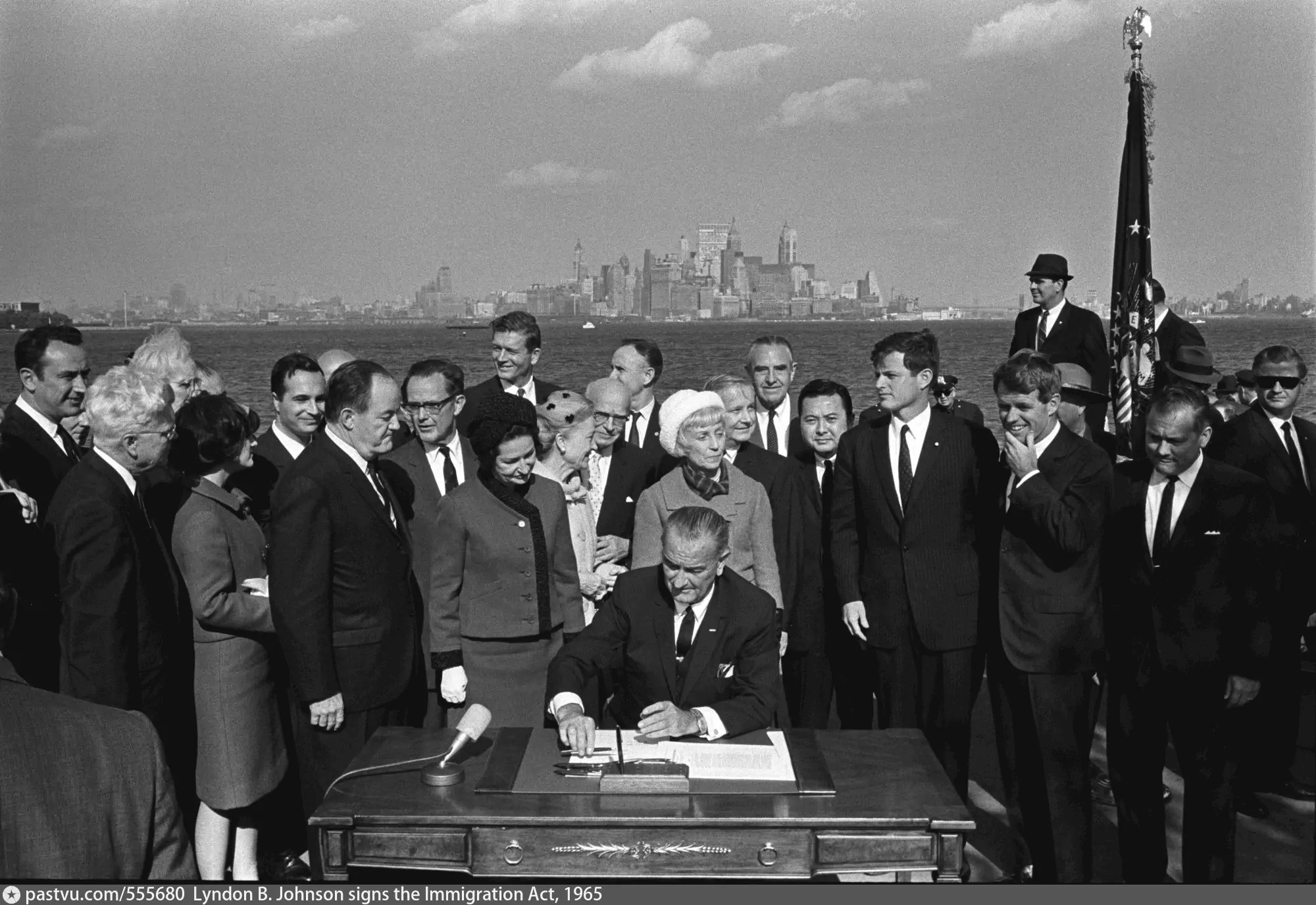
On July 2, 1965, President Lyndon B. Johnson signed the Voting Rights Act into law. This landmark legislation prohibited racial discrimination in voting and established federal oversight of voter registration and election procedures in areas with a history of voter suppression. The act outlawed literacy tests, poll taxes, and other discriminatory practices, effectively dismantling the barriers that had prevented African Americans from fully participating in the democratic process.
Impact of the Voting Rights Act
The Voting Rights Act of 1965 had a profound impact on American society. It dramatically increased voter turnout among African Americans, leading to the election of Black officials at all levels of government. The act also strengthened the Voting Rights Act of 1957, which had previously been weakened by the Supreme Court.
Legacy and Significance
The 4th of July 1965 stands as a testament to the ongoing struggle for equality and justice in the United States. The passage of the Voting Rights Act marked a turning point in the fight for civil rights and paved the way for a more inclusive and democratic society.
Recognition and Commemoration
The anniversary of the Voting Rights Act is commemorated annually as a federal holiday, known as Juneteenth. This day serves as a reminder of the sacrifices made by civil rights activists and the ongoing need to protect and expand voting rights for all Americans.
Conclusion
The 4th of July 1965 was a transformative day in American history, marked by the passage of the Voting Rights Act of 1965. This landmark legislation revolutionized the electoral landscape, empowering African Americans and advancing the cause of equality and justice. The legacy of the Voting Rights Act continues to shape American society today, ensuring that all citizens have a voice in the democratic process.




Closure
Thus, we hope this article has provided valuable insights into 4th of July 1965: A Landmark in American History. We appreciate your attention to our article. See you in our next article!