4th Of July 1965: A Pivotal Day In American History
4th of July 1965: A Pivotal Day in American History
Related Articles: 4th of July 1965: A Pivotal Day in American History
- Celebrate The Spirit Of Independence: A Comprehensive Guide To 4th Of July Parade Tickets 2024
- 4th Of July Independence Day Images 2024: A Majestic Celebration Of Freedom And Unity
- 4th Of July 2024: A Commemoration Of Freedom And Unity
- 4th Of July Activities 2024: A Nationwide Celebration Of Independence
- 24th July 2011: A Day Of Unforgettable Tragedy
Introduction
In this auspicious occasion, we are delighted to delve into the intriguing topic related to 4th of July 1965: A Pivotal Day in American History. Let’s weave interesting information and offer fresh perspectives to the readers.
Table of Content
Video about 4th of July 1965: A Pivotal Day in American History
4th of July 1965: A Pivotal Day in American History

Introduction
The Fourth of July, a day of national pride and celebration in the United States, holds immense historical significance. One such momentous occasion occurred on July 4, 1965, a day marked by both triumph and tragedy. This article delves into the profound events that unfolded on that fateful day, exploring their impact on the nation and its citizens.
Civil Rights Movement
The year 1965 was a pivotal time for the Civil Rights Movement in the United States. The passage of the Civil Rights Act of 1964 and the Voting Rights Act of 1965 had ignited hope and momentum for racial equality. However, resistance to these advancements remained strong in many parts of the country.
Selma to Montgomery March
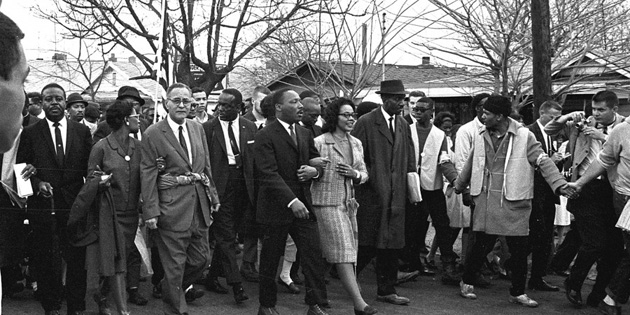
In response to the ongoing resistance to voting rights for African Americans in Alabama, civil rights leaders organized the Selma to Montgomery March. Beginning on March 7, 1965, the marchers faced relentless violence and brutality at the hands of local law enforcement.
Bloody Sunday
On March 7, the first day of the march, state troopers and local police brutally attacked the peaceful protesters on the Edmund Pettus Bridge in Selma. The images of the violence, captured by news cameras and broadcast nationwide, shocked the conscience of the nation. This day became known as "Bloody Sunday."
National Outrage and Support
The events of Bloody Sunday sparked widespread outrage and sympathy for the marchers. President Lyndon B. Johnson condemned the violence and called for passage of the Voting Rights Act. Public support for the movement grew, and people from all walks of life joined the marchers as they continued their journey to Montgomery.
The Voting Rights Act
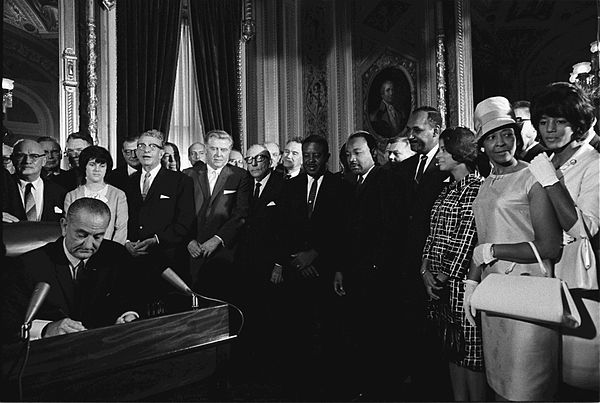
On August 6, 1965, President Johnson signed the Voting Rights Act into law. This landmark legislation prohibited racial discrimination in voting and established federal oversight to ensure its implementation. The Voting Rights Act was a major victory for the Civil Rights Movement and a turning point in the struggle for racial equality.
The Watts Riots
While the Selma to Montgomery March and the Voting Rights Act represented progress in the fight for civil rights, racial tensions remained high in many urban areas. On August 11, 1965, the Watts Riots erupted in Los Angeles, California.
Causes and Impact
The Watts Riots were sparked by a minor traffic stop that escalated into a confrontation between police officers and residents. The riots lasted for six days and resulted in the deaths of 34 people and the destruction of hundreds of buildings. The riots highlighted the deep-seated anger and frustration among African Americans in urban communities.
Federal Response
President Johnson responded to the Watts Riots by sending federal troops to restore order. He also appointed a commission to investigate the causes of the riots and recommend solutions. The Kerner Commission Report, released in 1968, identified poverty, unemployment, and racial discrimination as root causes of the unrest.
Legacy of the 4th of July 1965
The events of July 4, 1965, left an enduring legacy on American history. The Selma to Montgomery March and the Voting Rights Act were major milestones in the Civil Rights Movement, while the Watts Riots exposed the ongoing challenges of racial inequality.
Civil Rights Legacy
The Voting Rights Act of 1965 remains a cornerstone of civil rights law in the United States. It has played a crucial role in increasing voter participation among African Americans and other marginalized groups. The legacy of the Selma to Montgomery March continues to inspire activists and advocates for social justice.
Racial Inequality
Despite the progress made since 1965, racial inequality persists in American society. The Watts Riots serve as a reminder of the deep-seated challenges that remain. Systemic racism, economic disparities, and police brutality continue to disproportionately impact communities of color.
Conclusion
July 4, 1965, was a day of both triumph and tragedy in American history. The Selma to Montgomery March and the Voting Rights Act represented significant advancements in the fight for civil rights, while the Watts Riots exposed the ongoing challenges of racial inequality. The events of that day continue to shape the nation’s dialogue on race, justice, and the pursuit of a more perfect union.




Closure
Thus, we hope this article has provided valuable insights into 4th of July 1965: A Pivotal Day in American History. We thank you for taking the time to read this article. See you in our next article!