4th Of July Tomato Plants: A Comprehensive Guide For 2024
4th of July Tomato Plants: A Comprehensive Guide for 2024
Related Articles: 4th of July Tomato Plants: A Comprehensive Guide for 2024
- 4th Of July Fireworks 2024: A Symphony Of Lights And Liberty
- 4th Of July T-Shirt Design Ideas 2024: Celebrate America’s Independence With Style
- 4th Of July Jokes For Kids 2024: Laughs, Giggles, And Patriotic Fun
- 4th Of July Solitaire: A Celebratory Game Of Patience And Strategy
- Celebrate Independence Day With The 4th Of July 5K Cedar Rapids Iowa 2024
Introduction
With great pleasure, we will explore the intriguing topic related to 4th of July Tomato Plants: A Comprehensive Guide for 2024. Let’s weave interesting information and offer fresh perspectives to the readers.
Table of Content
Video about 4th of July Tomato Plants: A Comprehensive Guide for 2024
4th of July Tomato Plants: A Comprehensive Guide for 2024
Introduction
As gardeners eagerly anticipate the arrival of spring, the cultivation of tomatoes, a beloved summer staple, takes center stage. Among the numerous varieties available, 4th of July tomato plants stand out for their exceptional productivity and unparalleled flavor. This comprehensive guide will provide you with all the essential information you need to cultivate thriving 4th of July tomato plants in 2024, ensuring a bountiful harvest of delicious tomatoes.
History and Origin
The 4th of July tomato is an heirloom variety that has been cherished by gardeners for generations. Its origins trace back to the late 1800s, when it was first discovered in the United States. The variety quickly gained popularity due to its early maturity, prolific yields, and exceptional taste. Today, 4th of July tomato plants are widely cultivated throughout North America and are a favorite among both home gardeners and commercial growers.
Plant Characteristics
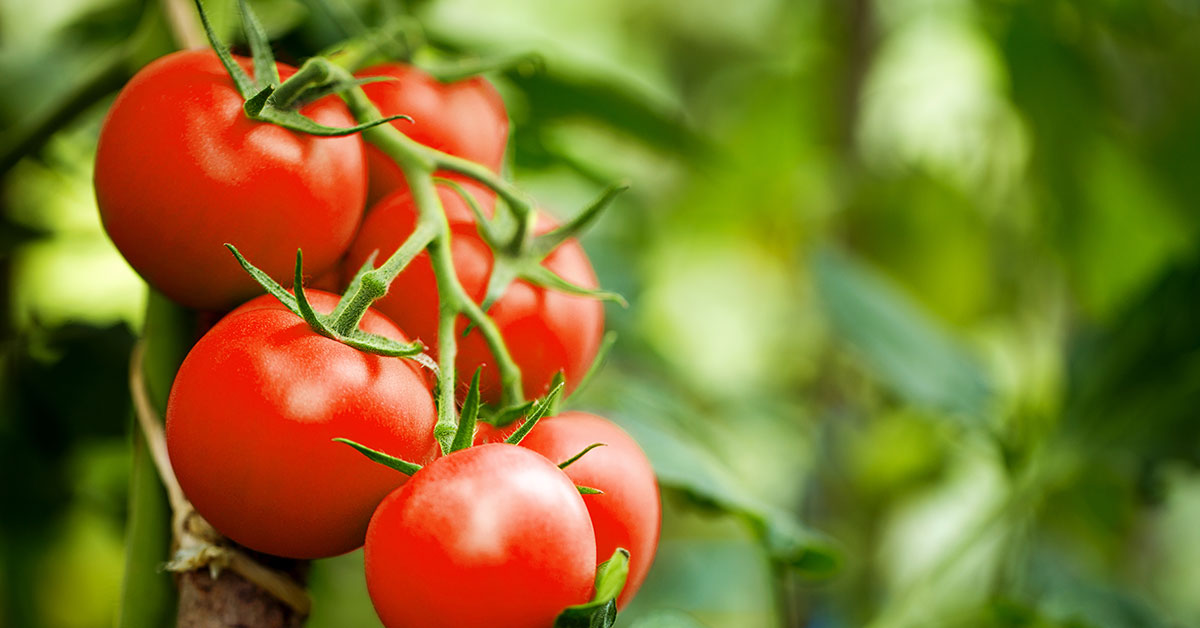
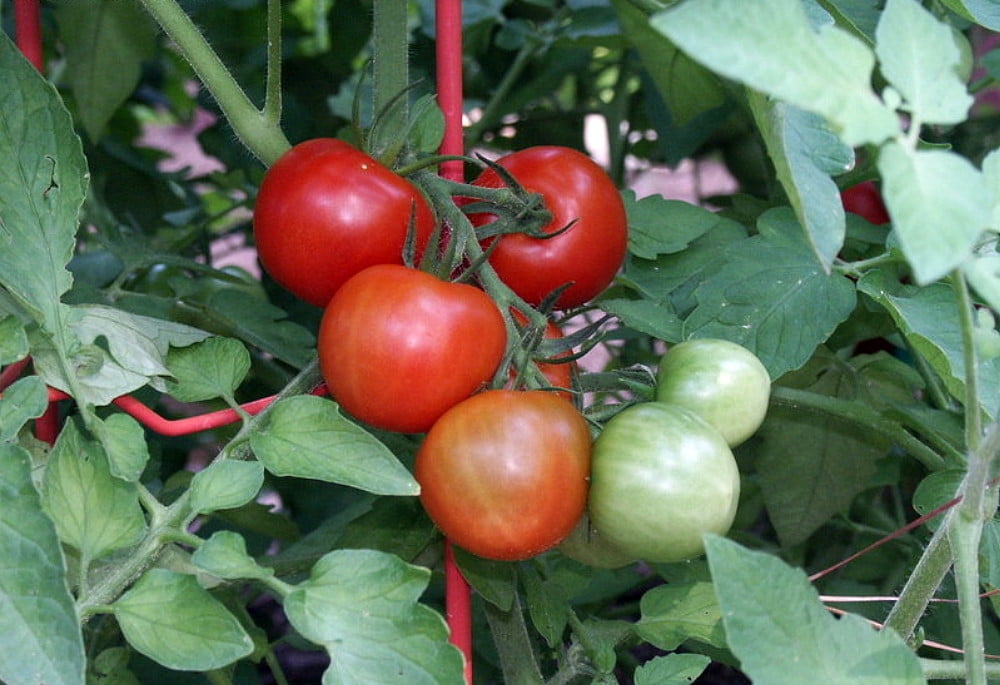
4th of July tomato plants are indeterminate, meaning they will continue to grow and produce fruit throughout the season. They typically reach a height of 6-8 feet and require support in the form of stakes or cages. The plants have a vigorous growth habit and produce an abundance of medium-sized, round tomatoes. The fruits are known for their vibrant red color, meaty texture, and sweet, slightly tangy flavor.
Growing Requirements
4th of July tomato plants thrive in full sun and well-drained soil with a pH of 6.0-6.8. They require regular watering, especially during hot and dry weather. To promote optimal growth, fertilize the plants every few weeks with a balanced fertilizer.
Planting and Spacing
Start seeds indoors 6-8 weeks before the last frost date. Sow the seeds in a seed-starting mix and keep them warm and moist. Once the seedlings have developed their first set of true leaves, transplant them into individual containers. Harden off the seedlings by gradually exposing them to outdoor conditions before transplanting them into the garden.
Space the tomato plants 2-3 feet apart in rows that are 3-4 feet apart. Dig a hole that is twice the width of the root ball and just as deep. Place the seedling in the hole and fill it with soil, gently firming it around the plant.
Care and Maintenance
4th of July tomato plants require regular care to ensure optimal growth and productivity. Here are some essential care tips:
- Watering: Water the plants deeply and regularly, especially during hot and dry weather. Avoid overwatering, as this can lead to root rot.
- Fertilizing: Fertilize the plants every few weeks with a balanced fertilizer. Avoid using fertilizers that are high in nitrogen, as this can promote excessive foliage growth at the expense of fruit production.
- Support: Provide support for the plants in the form of stakes or cages. This will prevent the plants from toppling over and will also improve air circulation, reducing the risk of disease.
- Mulching: Mulch around the plants with straw, compost, or other organic materials. This will help to retain moisture, suppress weeds, and regulate soil temperature.
- Pruning: Remove suckers, which are small shoots that grow between the main stem and the branches. Pruning suckers helps to improve air circulation and direct the plant’s energy into fruit production.
Pest and Disease Control
4th of July tomato plants are susceptible to a range of pests and diseases, including:
- Tomato hornworms: These large, green caterpillars can quickly defoliate tomato plants. Handpick the hornworms or use Bacillus thuringiensis (Bt), a biological control agent that targets caterpillars.
- Aphids: These tiny, soft-bodied insects can suck the sap from tomato plants, causing stunted growth and yellowing leaves. Control aphids with insecticidal soap or neem oil.
- Tomato blight: This fungal disease can cause leaves to turn brown and wilt. Prevent blight by rotating crops, avoiding overhead watering, and using disease-resistant varieties.
Harvesting
4th of July tomato plants typically begin producing ripe tomatoes in early July. The fruits are ready to harvest when they are fully red and slightly soft to the touch. To harvest, gently twist the tomato from the stem.
Storage
Store ripe tomatoes at room temperature for a few days. For longer storage, place the tomatoes in a cool, dark place. Avoid refrigerating tomatoes, as this can damage their flavor and texture.
Conclusion
Cultivating 4th of July tomato plants is a rewarding experience that can provide you with an abundance of delicious tomatoes throughout the summer. By following the guidelines outlined in this comprehensive guide, you can ensure that your 4th of July tomato plants thrive and produce a bountiful harvest in 2024. Whether you are a seasoned gardener or a novice enthusiast, embrace the joy of growing your own tomatoes and enjoy the sweet rewards of your labor.




Closure
Thus, we hope this article has provided valuable insights into 4th of July Tomato Plants: A Comprehensive Guide for 2024. We thank you for taking the time to read this article. See you in our next article!