4th Of July Tomato Review 2024: A Comprehensive Guide To The Ultimate Heirloom Variety
4th of July Tomato Review 2024: A Comprehensive Guide to the Ultimate Heirloom Variety
Related Articles: 4th of July Tomato Review 2024: A Comprehensive Guide to the Ultimate Heirloom Variety
- 4th Of July Lights Outdoor 2024: Illuminate Your Independence Day Celebrations
- 4th Of July Party Games 2024: Ignite The Patriotic Spirit With Exciting Activities
- 4th Of July Parade Near Me Live Stream 2024
- Celebrate Independence Day In Style: A Comprehensive Guide To The Best Plus Size 4th Of July Tank Tops For 2024
- 4th Of July Decorations Outdoor 2024: A Patriotic Extravaganza
Introduction
With great pleasure, we will explore the intriguing topic related to 4th of July Tomato Review 2024: A Comprehensive Guide to the Ultimate Heirloom Variety. Let’s weave interesting information and offer fresh perspectives to the readers.
Table of Content
Video about 4th of July Tomato Review 2024: A Comprehensive Guide to the Ultimate Heirloom Variety
4th of July Tomato Review 2024: A Comprehensive Guide to the Ultimate Heirloom Variety

Introduction
The 4th of July tomato, a beloved heirloom variety, has captured the hearts of gardeners and tomato enthusiasts alike for generations. Renowned for its exceptional flavor, unparalleled productivity, and vibrant appearance, this heritage tomato continues to hold a special place in tomato cultivation. In this comprehensive review, we delve into the captivating characteristics of the 4th of July tomato, providing an in-depth analysis of its growth habits, disease resistance, culinary versatility, and overall performance. Join us as we uncover the secrets that make this heirloom gem a must-have for any tomato enthusiast.
Origins and History
The 4th of July tomato traces its lineage back to the mid-1800s, originating in the United States. Its exact origins remain shrouded in mystery, but it is believed to have emerged as a chance seedling from a cross between two unknown varieties. The tomato quickly gained popularity among home gardeners and farmers alike, becoming a staple in backyard gardens and local markets. Its unique flavor and abundant harvests made it an instant favorite, and it soon became a symbol of summer celebrations, earning its patriotic moniker, the 4th of July tomato.
Growth Habits and Characteristics
The 4th of July tomato is a vigorous, indeterminate variety, meaning it will continue to grow and produce fruit throughout the growing season. The plants are typically large and sprawling, reaching heights of 6-8 feet or more. They require ample support, such as stakes or cages, to prevent the branches from breaking under the weight of the abundant fruit.
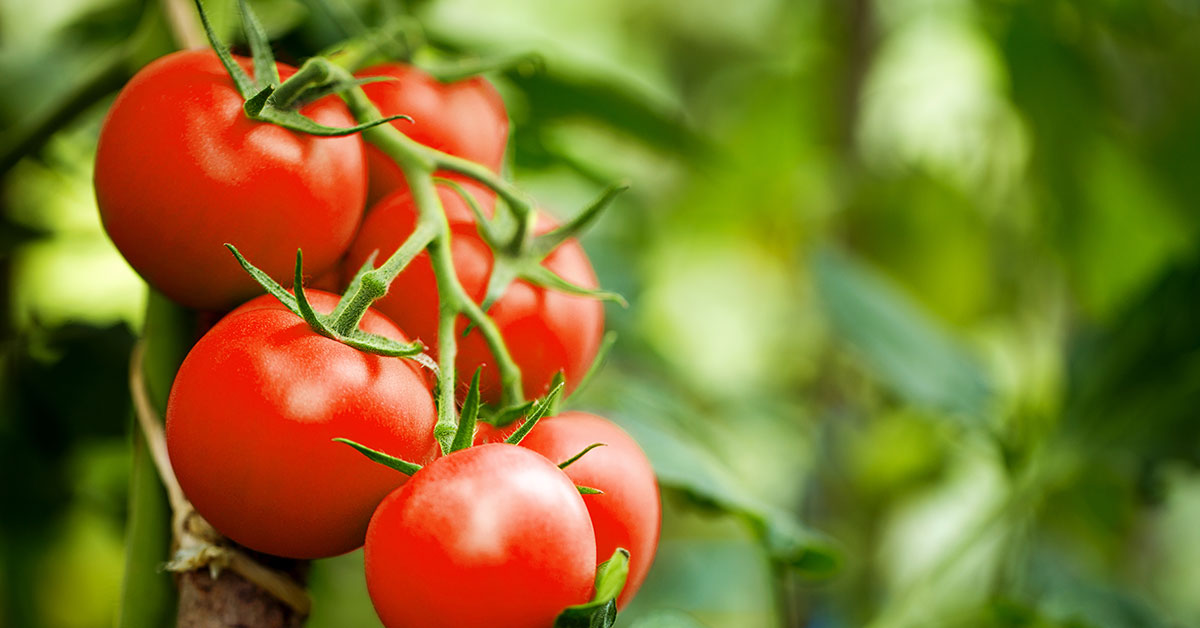
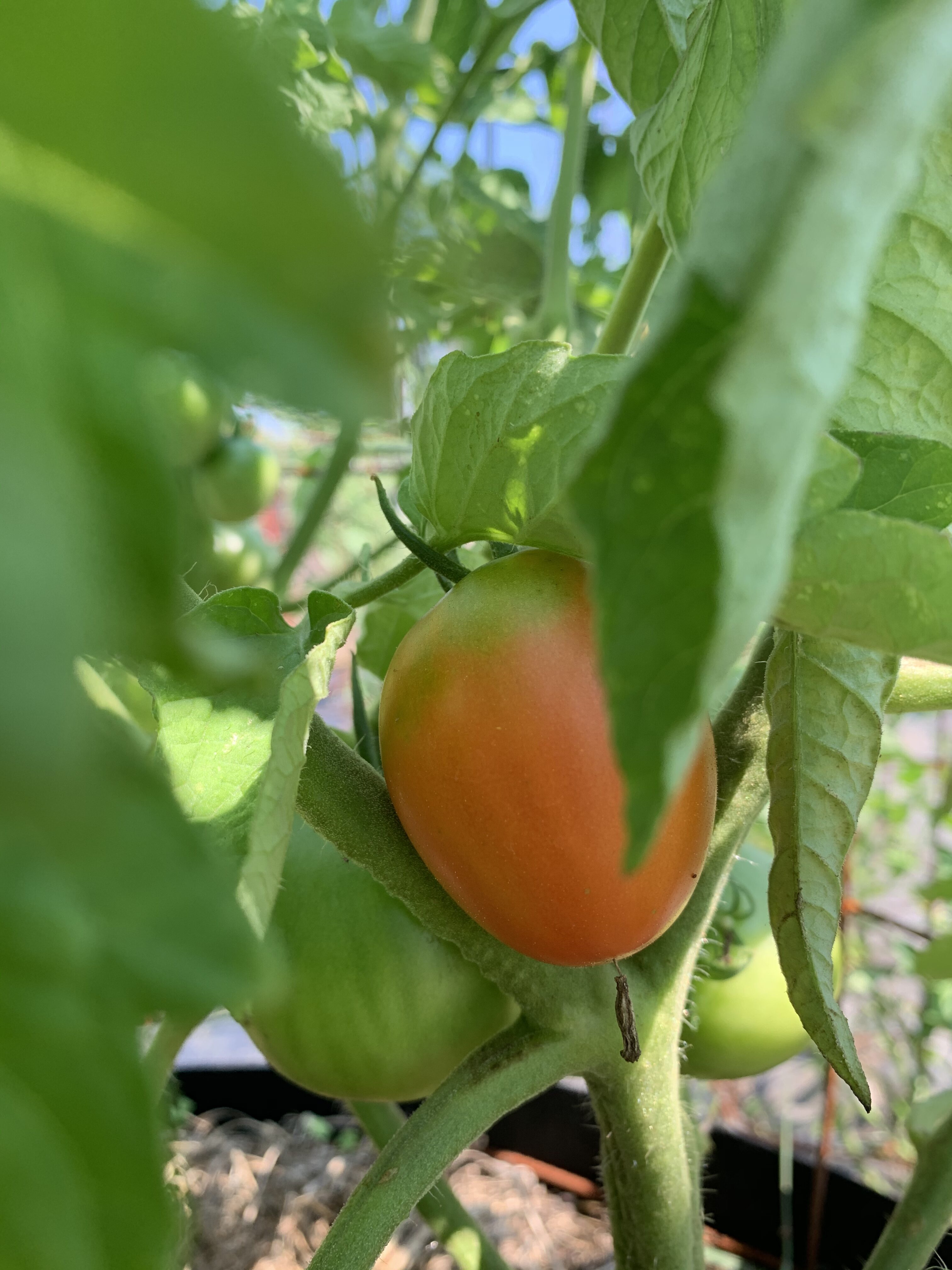
The foliage of the 4th of July tomato is lush and deep green, with large, deeply lobed leaves. The plants produce clusters of 5-8 tomatoes per truss, with each tomato averaging 4-6 ounces in weight. The fruits are globe-shaped, slightly flattened, and exhibit a vibrant red color with a distinctive yellow-orange starburst pattern around the blossom end.
Flavor and Culinary Versatility
The flavor of the 4th of July tomato is simply exceptional. It boasts a perfect balance of sweetness and acidity, with a rich, complex flavor profile that lingers on the palate. The tomatoes are juicy and meaty, with a firm texture that makes them ideal for slicing, dicing, and cooking.
The culinary versatility of the 4th of July tomato is remarkable. Its robust flavor shines in salads, sandwiches, and salsas. The tomatoes are also excellent for canning, preserving, and making sauces and soups. Their vibrant color and distinctive starburst pattern add a touch of visual appeal to any dish.
Disease Resistance
The 4th of July tomato is known for its excellent disease resistance. It is highly tolerant to common tomato diseases such as Verticillium wilt, Fusarium wilt, and leaf spot. This makes it a reliable choice for gardeners in areas where these diseases are prevalent. However, it is important to note that no tomato variety is completely immune to disease, and proper cultural practices such as crop rotation and mulching are essential for maintaining plant health.
Productivity and Yield
The 4th of July tomato is an incredibly productive variety. With proper care and optimal growing conditions, a single plant can produce over 100 pounds of fruit throughout the season. The tomatoes ripen over a long period, providing a continuous harvest from mid-summer to early fall.
Growing Tips
To achieve optimal growth and yield from your 4th of July tomato plants, follow these essential growing tips:
- Start seeds indoors: Begin seeds indoors 6-8 weeks before the last frost date. Provide ample light and warmth for germination.
- Transplant outdoors: Harden off seedlings gradually before transplanting outdoors. Choose a sunny location with well-drained soil.
- Provide support: Stake or cage plants to prevent breakage from the weight of the fruit.
- Water regularly: Water plants deeply and consistently, especially during hot, dry weather.
- Fertilize: Fertilize plants every few weeks with a balanced fertilizer.
- Mulch: Spread a layer of mulch around plants to retain moisture, suppress weeds, and regulate soil temperature.
Conclusion
The 4th of July tomato is an exceptional heirloom variety that deserves a place in every tomato lover’s garden. Its unparalleled flavor, abundant harvests, and remarkable disease resistance make it a true gem. Whether you are a seasoned gardener or a novice enthusiast, the 4th of July tomato is sure to impress with its vibrant appearance and exceptional culinary versatility. As we celebrate the joys of gardening and the spirit of summer, let us raise a toast to this beloved heirloom, the 4th of July tomato, a testament to the enduring power of nature’s bounty.




Closure
Thus, we hope this article has provided valuable insights into 4th of July Tomato Review 2024: A Comprehensive Guide to the Ultimate Heirloom Variety. We hope you find this article informative and beneficial. See you in our next article!