4th Of July Tomato Seeds: A Patriotic Heirloom For Your Garden
4th of July Tomato Seeds: A Patriotic Heirloom for Your Garden
Related Articles: 4th of July Tomato Seeds: A Patriotic Heirloom for Your Garden
- 4th Of July Decorations 2024: A Patriotic Guide To Festive Decor
- 4th Of July Party Games 2024: Ignite The Patriotic Spirit With Exciting Activities
- 4th Of July 2024: A Bicentennial Celebration Of American Independence
- Indulge In The Sweetest Celebration: 4th Of July Candy Buffet 2024
- 4th Of July Images: Fun Facts For 2024
Introduction
In this auspicious occasion, we are delighted to delve into the intriguing topic related to 4th of July Tomato Seeds: A Patriotic Heirloom for Your Garden. Let’s weave interesting information and offer fresh perspectives to the readers.
Table of Content
Video about 4th of July Tomato Seeds: A Patriotic Heirloom for Your Garden
4th of July Tomato Seeds: A Patriotic Heirloom for Your Garden

Introduction
As the summer sun reaches its peak, gardeners across the nation eagerly anticipate the arrival of one of the most iconic fruits of the season: tomatoes. Among the countless varieties available, the 4th of July tomato stands out as a true American heirloom, celebrated for its vibrant colors, exceptional flavor, and historical significance.
Origins and History
The 4th of July tomato is believed to have originated in the early 1900s in the heart of the American Midwest. Its exact origins are shrouded in mystery, but it is widely believed to have been developed by a farmer named John Moore in Ohio. Moore is said to have selected a unique tomato plant with exceptionally large, red fruits that ripened around the 4th of July, America’s Independence Day.
Over the years, the 4th of July tomato gained popularity among gardeners and farmers alike. Its patriotic name and impressive size and flavor made it a favorite at summer markets and county fairs. By the mid-20th century, the 4th of July tomato had become a beloved heirloom variety, passed down through generations of gardeners.
Characteristics
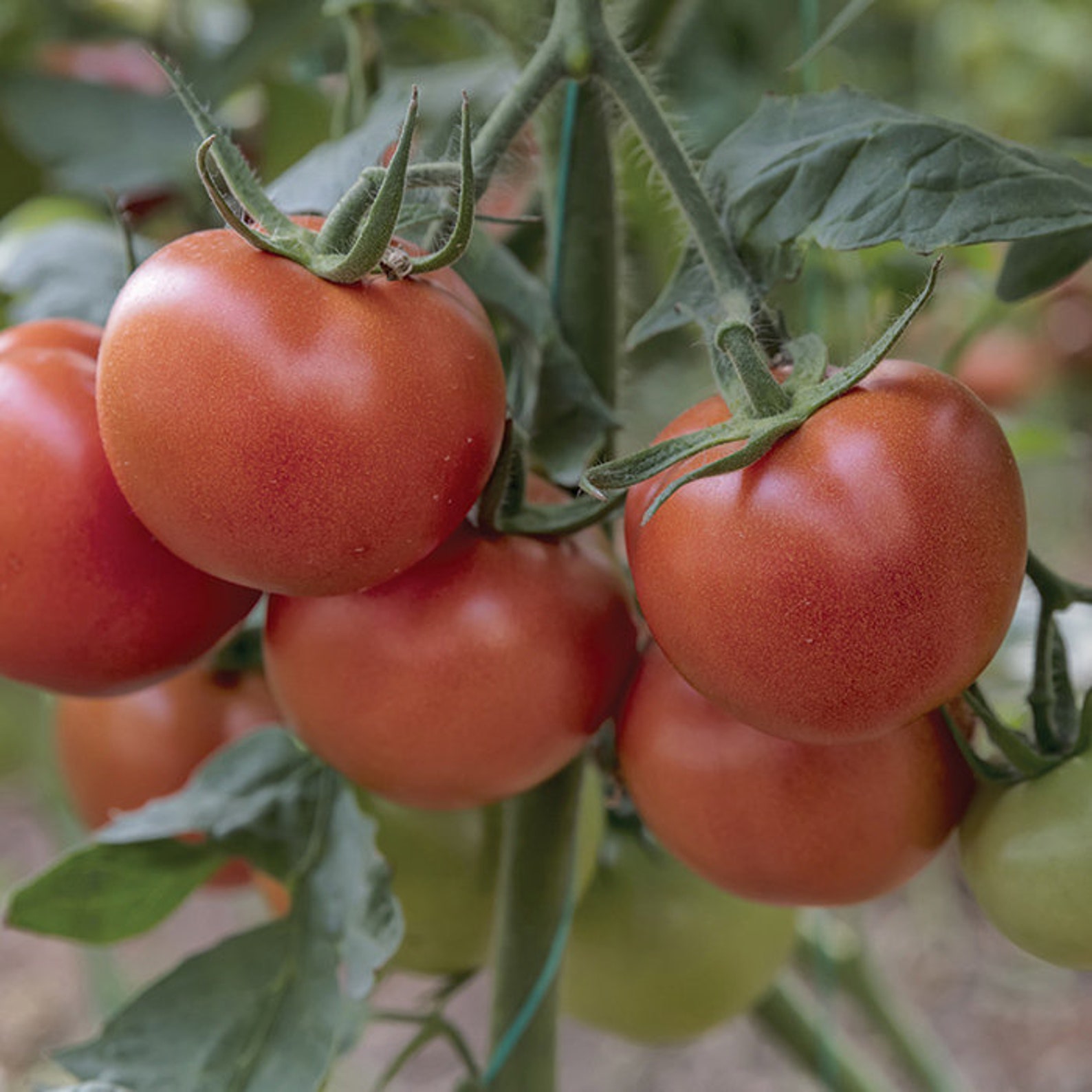
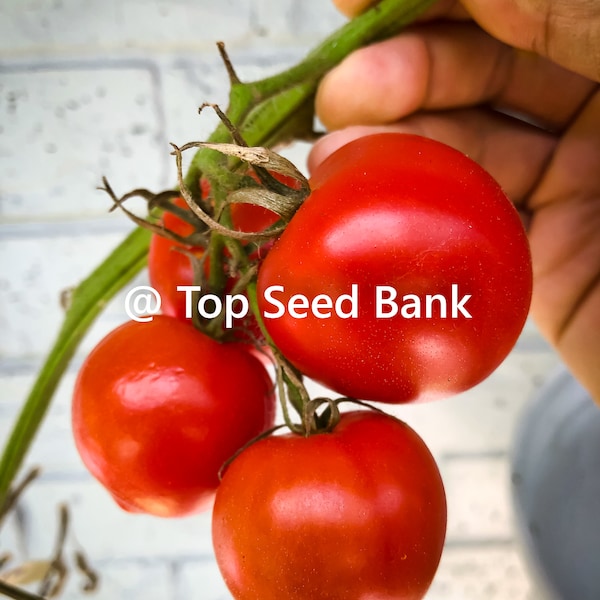
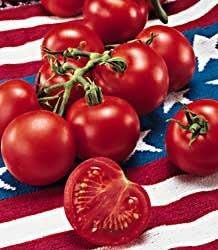
The 4th of July tomato is renowned for its large, beefsteak-type fruits. These tomatoes typically weigh between 8 and 12 ounces, with some specimens reaching over a pound. They have a slightly flattened shape and a deep, rich red color that intensifies as they ripen.
The flesh of the 4th of July tomato is firm and meaty, with a perfect balance of sweetness and acidity. Its flavor is often described as complex and full-bodied, with notes of fruit, spice, and a hint of earthiness.
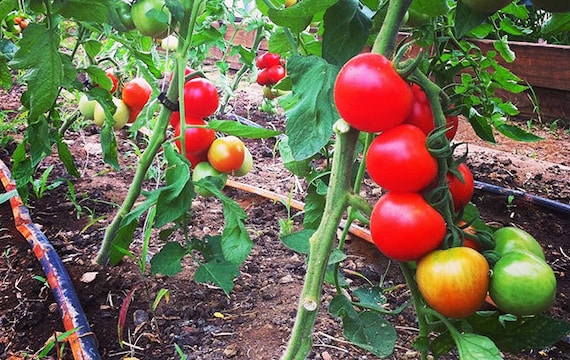
The 4th of July tomato is a determinate variety, meaning that it grows to a specific height and produces all of its fruits at once. This characteristic makes it well-suited for container gardening or growing in raised beds.
Growing Tips
To ensure a successful harvest of 4th of July tomatoes, follow these growing tips:
- Start seeds indoors: Begin seeds indoors 6-8 weeks before the last frost date in your area. Provide plenty of light and keep the soil consistently moist.
- Harden off seedlings: Gradually expose seedlings to outdoor conditions for a week or two before transplanting them into the garden.
- Choose a sunny location: Plant tomatoes in a well-drained location that receives at least 6 hours of sunlight per day.
- Space plants: Space tomato plants 2-3 feet apart to allow for proper airflow and prevent disease.
- Water regularly: Water tomatoes deeply and regularly, especially during hot, dry weather.
- Fertilize: Fertilize tomatoes every few weeks with a balanced fertilizer.
- Support plants: Provide support for tomato plants with stakes or cages to prevent them from toppling over.
Harvesting and Storage
4th of July tomatoes are typically ready to harvest 70-80 days after transplanting. To harvest, gently twist the tomato fruit until it detaches from the vine.
Store ripe tomatoes at room temperature for up to a week. For longer storage, place unripe tomatoes in a cool, dark place to ripen.
Culinary Uses
The 4th of July tomato is a versatile culinary ingredient that can be enjoyed in a variety of ways. Its exceptional flavor makes it ideal for slicing and serving fresh in salads, sandwiches, and platters. It is also an excellent choice for cooking, adding a burst of color and flavor to sauces, soups, and stews.
Conclusion
The 4th of July tomato is a true American treasure, a patriotic heirloom that embodies the spirit of summer and the joy of gardening. Its large, flavorful fruits, coupled with its historical significance, make it a must-have for any garden. Whether you are a seasoned gardener or just starting out, the 4th of July tomato is a variety that will delight your senses and bring a taste of Americana to your table.



Closure
Thus, we hope this article has provided valuable insights into 4th of July Tomato Seeds: A Patriotic Heirloom for Your Garden. We hope you find this article informative and beneficial. See you in our next article!