Celebrating The 249th Anniversary Of American Independence: A Historical Perspective On The Fourth Of July 2024
Celebrating the 249th Anniversary of American Independence: A Historical Perspective on the Fourth of July 2024
Related Articles: Celebrating the 249th Anniversary of American Independence: A Historical Perspective on the Fourth of July 2024
- 4th July Appetizer Recipes For A Festive 2024 Celebration
- 4th Of July House Outside Decorations 2024: A Patriotic Extravaganza
- Celebrate Independence Day In Style: A Comprehensive Guide To The Best 4th Of July Bikinis 2024
- Celebrating The Spirit Of Independence: 4th Of July 2024
- 4th Of July Events Near Me 2024: A Guide To Post-Pandemic Independence Day Celebrations
Introduction
With enthusiasm, let’s navigate through the intriguing topic related to Celebrating the 249th Anniversary of American Independence: A Historical Perspective on the Fourth of July 2024. Let’s weave interesting information and offer fresh perspectives to the readers.
Table of Content
Video about Celebrating the 249th Anniversary of American Independence: A Historical Perspective on the Fourth of July 2024
Celebrating the 249th Anniversary of American Independence: A Historical Perspective on the Fourth of July 2024

Introduction
The Fourth of July, a day of national pride and celebration, marks the anniversary of the signing of the Declaration of Independence on July 4, 1776. This pivotal document declared the thirteen American colonies’ independence from British rule, forever altering the course of world history. As we approach the 249th anniversary of this momentous occasion in 2024, let us delve into the rich tapestry of events that led to the birth of the United States of America.
The Road to Revolution
The seeds of American independence were sown decades before the Declaration of Independence was drafted. British policies, such as the Stamp Act of 1765 and the Townshend Acts of 1767, imposed taxes on the colonies without their consent, sparking widespread resentment. The colonists argued that these taxes violated their natural rights as British subjects and that they should only be taxed by their elected representatives.
As tensions escalated, the colonies began to organize and coordinate their resistance. In 1774, representatives from twelve colonies gathered in Philadelphia for the First Continental Congress, where they issued a declaration of rights and grievances and called for a boycott of British goods.
The Declaration of Independence
In the spring of 1776, as the conflict between the colonies and Great Britain reached a boiling point, the Second Continental Congress convened in Philadelphia. On June 7, Richard Henry Lee of Virginia proposed a resolution declaring independence from Great Britain. After much debate, the Congress appointed a committee, including Thomas Jefferson, Benjamin Franklin, John Adams, Robert Livingston, and Roger Sherman, to draft a formal declaration.
Jefferson, the primary author of the Declaration, penned a powerful and eloquent document that asserted the colonists’ natural rights to life, liberty, and the pursuit of happiness. It argued that governments derive their authority from the consent of the governed and that the British government had violated this principle by imposing unjust laws and denying the colonists their rights.
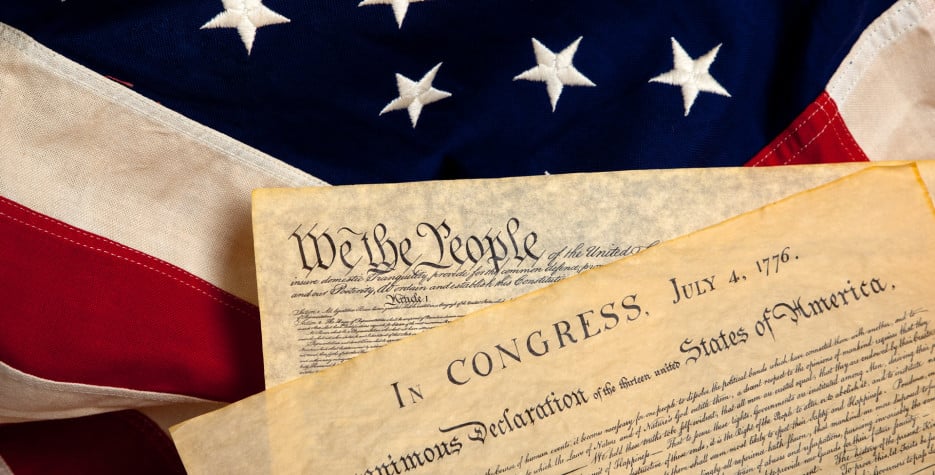
On July 4, 1776, the Continental Congress adopted the Declaration of Independence, a bold and defiant act that signaled the birth of a new nation. The Declaration proclaimed: "We hold these truths to be self-evident, that all men are created equal, that they are endowed by their Creator with certain unalienable Rights, that among these are Life, Liberty and the pursuit of Happiness."
The War for Independence
The Declaration of Independence did not end the conflict with Great Britain; instead, it marked the beginning of the American Revolutionary War. The war lasted for eight long years, during which the colonists faced overwhelming odds against the mighty British Empire.
Despite the challenges, the colonists persevered, inspired by their belief in the ideals of liberty and self-determination. George Washington, the commander-in-chief of the Continental Army, led his troops to numerous victories, including the pivotal Battle of Saratoga in 1777.
With the aid of France and other European powers, the Continental Army gradually gained the upper hand. On October 19, 1781, the British army under General Charles Cornwallis surrendered at Yorktown, Virginia, effectively ending the war.
The Birth of a New Nation
The Treaty of Paris, signed in 1783, formally recognized the independence of the United States of America. The new nation faced numerous challenges in its early years, including economic instability, political divisions, and territorial disputes.
However, the United States gradually overcame these obstacles and emerged as a powerful and prosperous nation. The Constitution, ratified in 1788, established a framework for a federal government and guaranteed the fundamental rights of citizens.
The Fourth of July: A National Celebration
The Fourth of July has been celebrated as a national holiday since 1777. Over the centuries, the holiday has evolved to include parades, fireworks displays, barbecues, and other festivities. It is a time for Americans to reflect on the sacrifices made by those who fought for independence and to celebrate the values of freedom, democracy, and unity.
The Legacy of the Fourth of July
The Fourth of July is not merely a historical commemoration; it is a living symbol of the ideals that have shaped the United States of America. The Declaration of Independence remains a powerful inspiration for people around the world who strive for liberty and self-determination.
The Fourth of July is a reminder that the pursuit of happiness and the protection of fundamental rights are ongoing struggles. It is a day to recommit ourselves to the principles of equality, justice, and freedom that have made the United States a beacon of hope for generations.
Conclusion
As we approach the 249th anniversary of the Fourth of July in 2024, let us pause to appreciate the profound significance of this historic event. The Declaration of Independence was a transformative document that set the stage for the birth of a new nation founded on the principles of liberty, equality, and self-determination.
The Fourth of July is a day to celebrate the courage, sacrifice, and vision of those who fought for American independence. It is a day to reflect on the values that have shaped our nation and to recommit ourselves to upholding these ideals for generations to come.







Closure
Thus, we hope this article has provided valuable insights into Celebrating the 249th Anniversary of American Independence: A Historical Perspective on the Fourth of July 2024. We thank you for taking the time to read this article. See you in our next article!