Days Since July 4, 1776: A Chronological Journey Through American History
Days Since July 4, 1776: A Chronological Journey through American History
Related Articles: Days Since July 4, 1776: A Chronological Journey through American History
- Chicago July 4th Fireworks Schedule 2024: A Spectacular Extravaganza
- 4th Of July 1965 Parade 2024: A Centennial Celebration Of A Historic Milestone
- Best 4th Of July Deals 2024: Ultimate Guide To Savings
- Celebrate Independence Day 2024 With A Stunning 4th Of July Banner
- Celebrating The Spirit Of Independence: 4th Of July 2024
Introduction
With enthusiasm, let’s navigate through the intriguing topic related to Days Since July 4, 1776: A Chronological Journey through American History. Let’s weave interesting information and offer fresh perspectives to the readers.
Table of Content
Video about Days Since July 4, 1776: A Chronological Journey through American History
Days Since July 4, 1776: A Chronological Journey through American History

Introduction
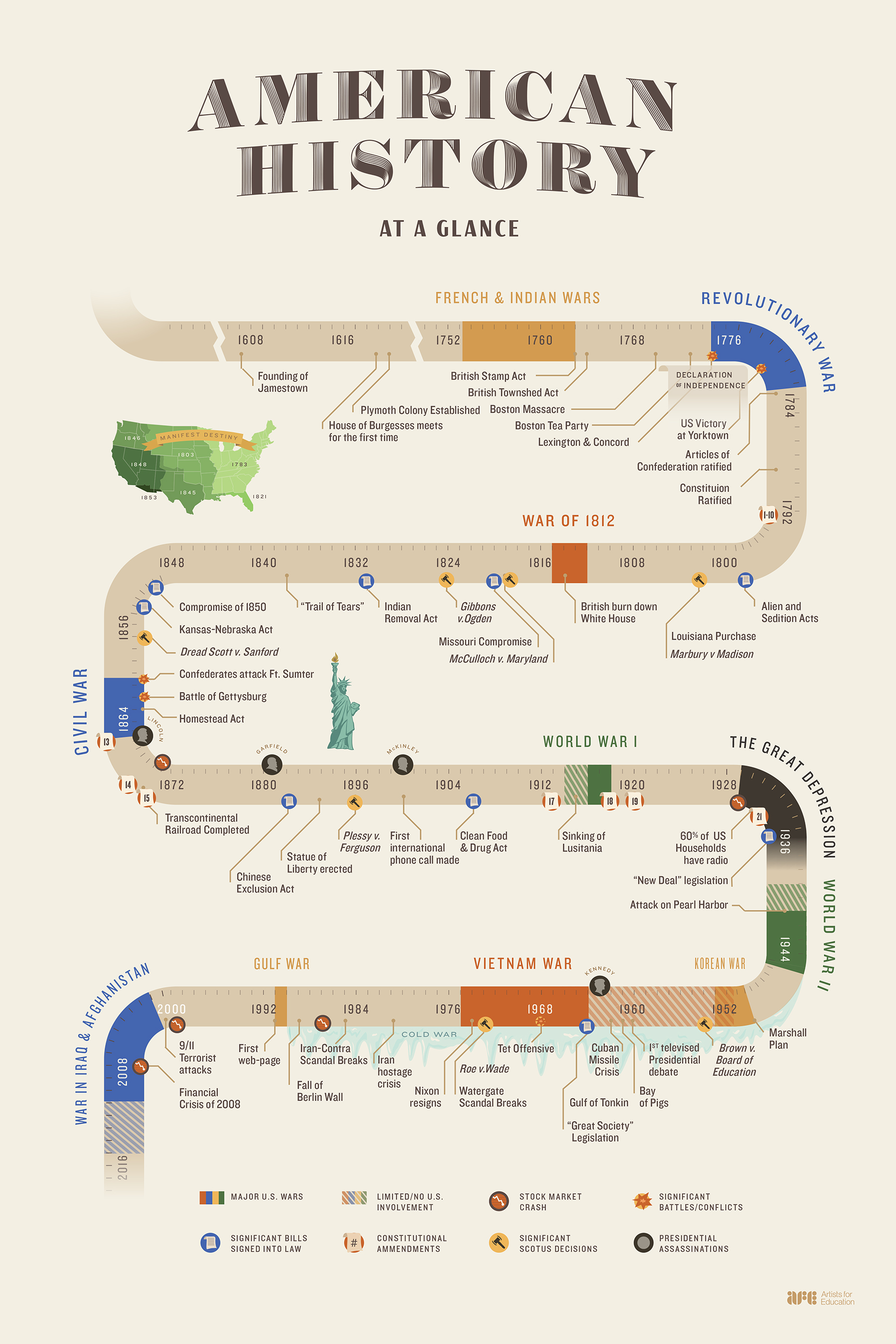
The Fourth of July, celebrated annually in the United States, commemorates the adoption of the Declaration of Independence in 1776. This momentous event marked the birth of a new nation and the beginning of a remarkable journey that continues to shape the world today. As of July 4, 2024, it will have been 248 years since the signing of the Declaration of Independence. This article embarks on a chronological exploration of the significant milestones, events, and transformations that have occurred during this extraordinary period.
Revolutionary Era (1776-1815)
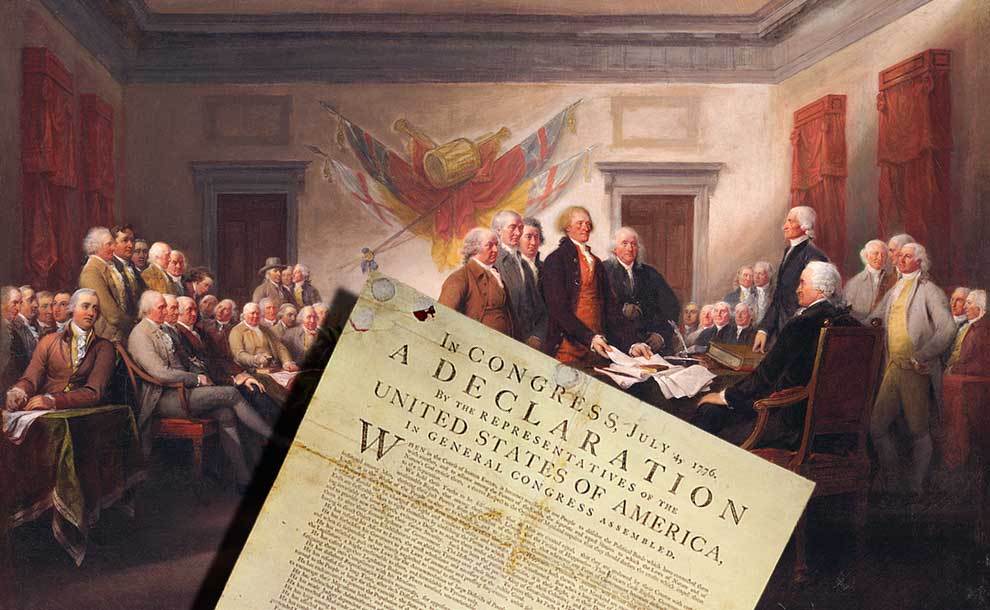
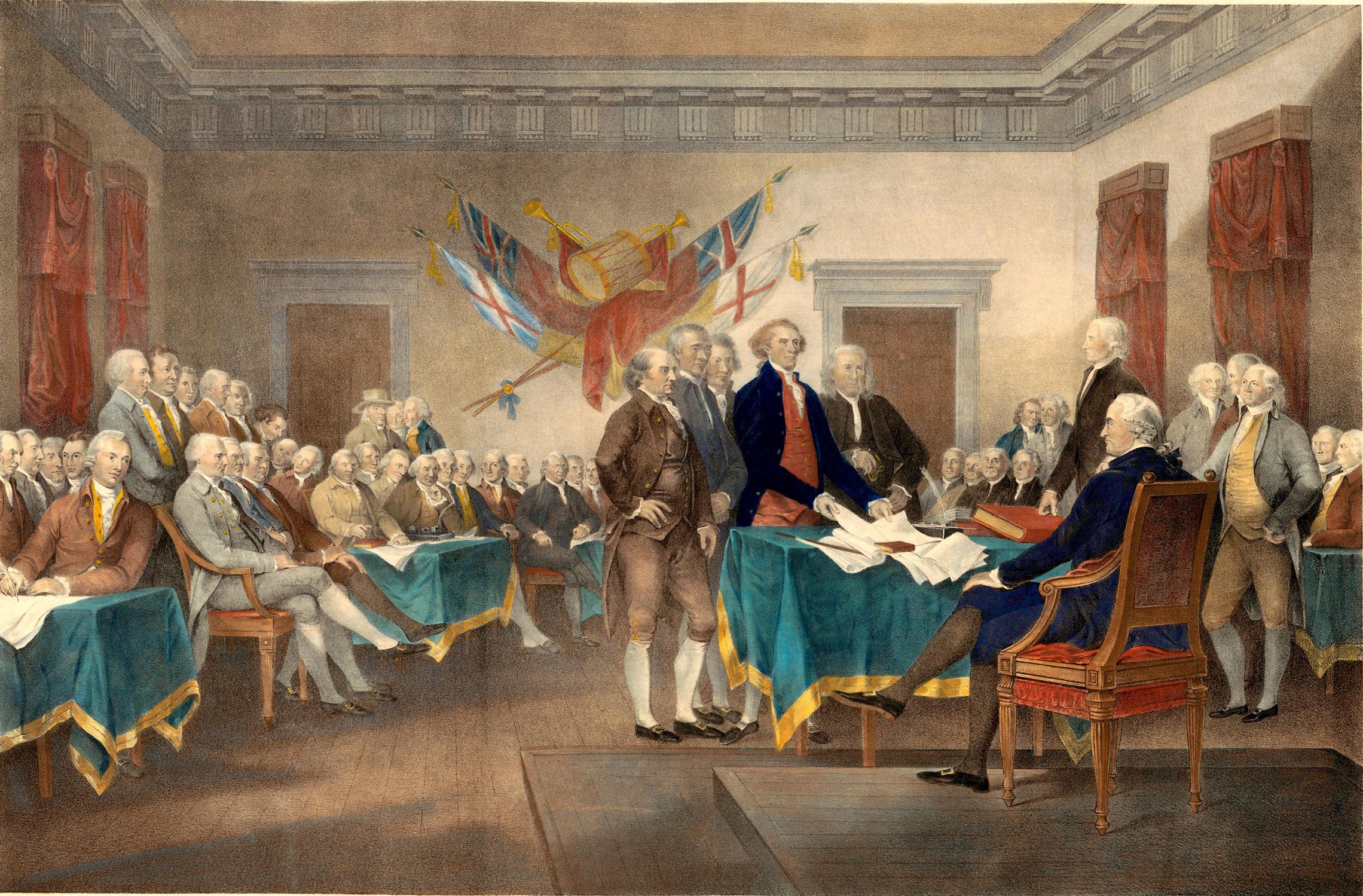
- July 4, 1776: The Declaration of Independence is adopted by the Continental Congress, declaring the thirteen American colonies’ separation from British rule.
- 1775-1783: American Revolutionary War: A bitter conflict ensues between the American colonists and the British Empire, culminating in American victory and independence.
- 1789: The United States Constitution is ratified, establishing the framework for a federal republic.
- 1803: Louisiana Purchase: The United States acquires a vast territory from France, doubling its size.
- 1812-1815: War of 1812: The United States fights a second war with Great Britain, further solidifying its independence.
Expansion and Manifest Destiny (1815-1890)
- 1819-1821: Acquisition of Florida: The United States purchases Florida from Spain, extending its southern border.
- 1845: Annexation of Texas: Texas becomes the 28th state of the United States, expanding the nation’s reach westward.
- 1846-1848: Mexican-American War: The United States defeats Mexico, acquiring vast territories in the Southwest.
- 1848: California Gold Rush: The discovery of gold in California triggers a mass migration and economic boom.
- 1853-1854: Gadsden Purchase: The United States buys a strip of land from Mexico, completing the acquisition of its contiguous territory.
Civil War and Reconstruction (1861-1877)
- 1861-1865: American Civil War: A bloody conflict between the Union and Confederate states over slavery and states’ rights, resulting in the abolition of slavery and the reunification of the nation.
- 1865-1877: Reconstruction Era: A period of rebuilding and reintegration following the Civil War, marked by the enfranchisement of African Americans and the establishment of federal oversight in the South.
Industrialization and Immigration (1877-1917)
- 1876: Centennial Exposition in Philadelphia: A grand celebration of the nation’s first century of independence, showcasing technological advancements and economic growth.
- Late 19th century: Industrial Revolution: Rapid industrialization transforms the American economy, leading to urbanization and the growth of cities.
- 1890: Frontier Closure: The United States Census Bureau declares the American frontier officially closed, marking the end of westward expansion.
- 1880-1920: Great Immigration: Millions of immigrants from Europe and Asia arrive in the United States, seeking economic opportunities and a new life.
World Wars and the Cold War (1917-1991)
- 1917-1918: World War I: The United States enters the global conflict, siding with the Allied Powers against Germany and its allies.
- 1941-1945: World War II: The United States plays a pivotal role in the Allied victory over the Axis powers, emerging as a global superpower.
- 1947-1991: Cold War: A period of geopolitical tension and rivalry between the United States and the Soviet Union, characterized by proxy wars, arms races, and the threat of nuclear war.
Contemporary Era (1991-Present)
- 1991: End of the Cold War: The collapse of the Soviet Union marks the end of the Cold War and the emergence of the United States as the world’s sole superpower.
- 2001: September 11 Attacks: Terrorist attacks on the World Trade Center and Pentagon reshape the nation’s security landscape and foreign policy.
- 2008-2009: Great Recession: A severe economic downturn plunges the United States into a deep financial crisis.
- 2020: COVID-19 Pandemic: A global pandemic caused by a novel coronavirus has a profound impact on American society, health, and economy.
Conclusion
As of July 4, 2024, the United States will have witnessed 248 years of remarkable transformation and progress since the signing of the Declaration of Independence. From its humble beginnings as a fledgling nation to its current status as a global superpower, the United States has navigated countless challenges and triumphs. The nation’s journey has been marked by war, peace, economic growth, technological advancements, social change, and the pursuit of equality and freedom.
The days since July 4, 1776, represent a testament to the resilience, determination, and ingenuity of the American people. As the nation continues to evolve and face new challenges, it is essential to reflect on the lessons learned and the principles that have guided the country throughout its history. By embracing the spirit of unity, innovation, and compassion, the United States can continue to build a brighter future for generations to come.





Closure
Thus, we hope this article has provided valuable insights into Days Since July 4, 1776: A Chronological Journey through American History. We hope you find this article informative and beneficial. See you in our next article!