The 4th Of July: A Historical Journey To The Heart Of American Independence
The 4th of July: A Historical Journey to the Heart of American Independence
Related Articles: The 4th of July: A Historical Journey to the Heart of American Independence
- Celebrate Independence Day With A Picnic Extravaganza: Your Guide To 4th Of July Celebrations Near You
- 14th July 2024 Zodiac: A Comprehensive Analysis
- 4th Of July Baseball Doodle 2024: A Patriotic Celebration Of America’s Pastime
- Celebrate Independence Day With A Grand 4th Of July Dinner In 2024
- 4th July Mahjong 2024: A Centennial Celebration
Introduction
In this auspicious occasion, we are delighted to delve into the intriguing topic related to The 4th of July: A Historical Journey to the Heart of American Independence. Let’s weave interesting information and offer fresh perspectives to the readers.
Table of Content
Video about The 4th of July: A Historical Journey to the Heart of American Independence
The 4th of July: A Historical Journey to the Heart of American Independence
Introduction
The 4th of July, a day etched in the annals of American history, stands as a testament to the nation’s indomitable spirit and unwavering pursuit of freedom. This pivotal date marks the adoption of the Declaration of Independence, a document that severed the colonial ties with Great Britain and ignited the flame of a new nation. As we approach the 4th of July 2024, it is an opportune time to delve into the rich history behind this momentous occasion.
The Road to Independence
The seeds of American independence were sown in the decades leading up to the 18th century. The American colonies, under British rule, chafed at the imposition of taxes and restrictions that stifled their economic and political aspirations. A growing sense of autonomy and the desire for self-governance permeated the hearts and minds of the colonists.
The catalyst for the American Revolution came in the form of the Stamp Act of 1765, which levied a tax on printed materials. This act ignited widespread protests and gave rise to the cry for "No taxation without representation." The colonists argued that as British subjects, they were entitled to the same rights and privileges enjoyed by their counterparts in England.
The Declaration of Independence
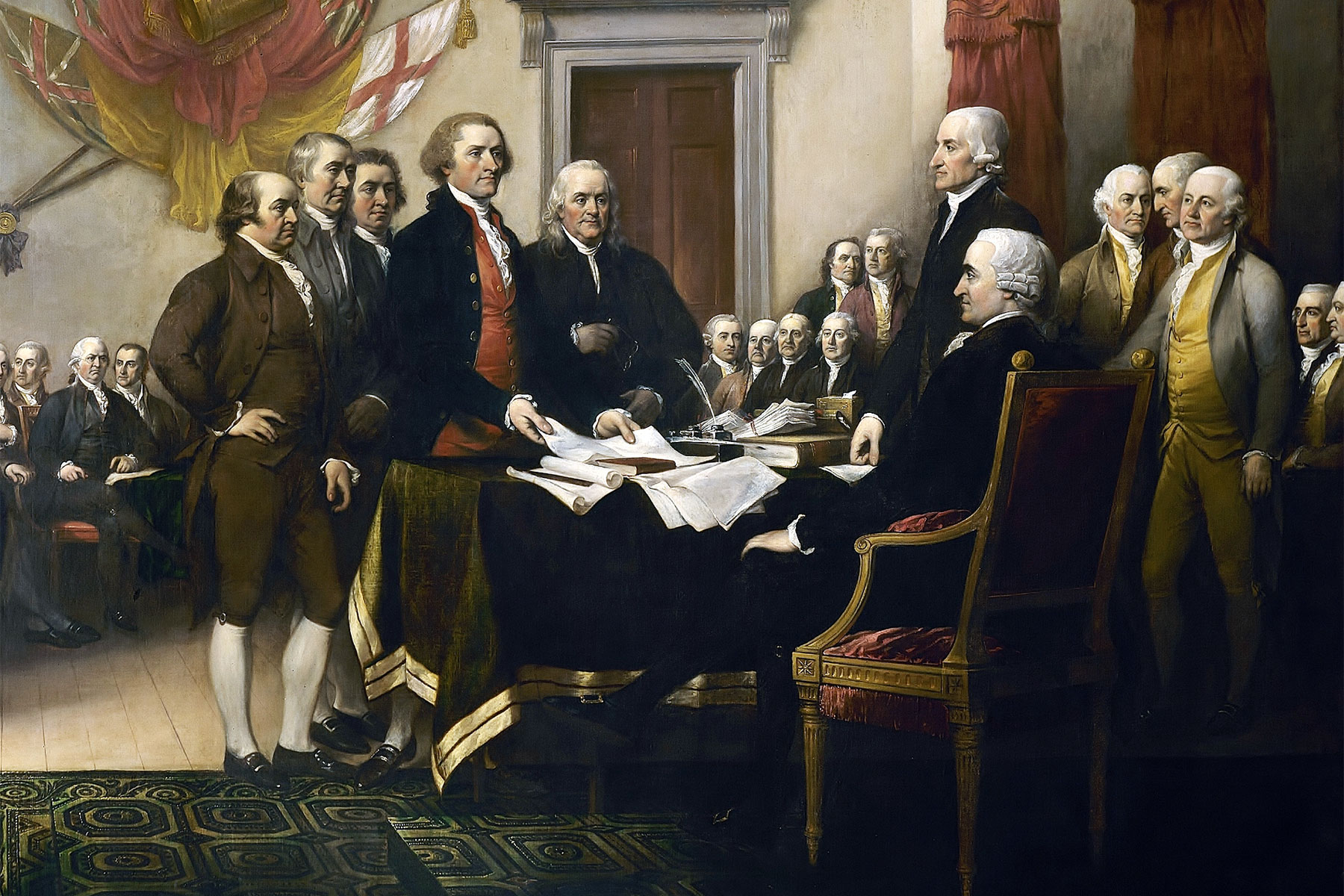
In the face of escalating tensions, the Continental Congress convened in Philadelphia in 1776. On June 7th, 1776, Richard Henry Lee of Virginia introduced a resolution calling for a declaration of independence from Great Britain. After heated debates and careful deliberation, the Continental Congress appointed a committee of five, including Thomas Jefferson, to draft a formal declaration.
Jefferson, with his eloquent prose and unwavering belief in the principles of liberty and equality, penned the Declaration of Independence. The document, adopted on July 4th, 1776, declared the thirteen American colonies as "free and independent states" and outlined the fundamental rights and principles upon which the new nation would be founded.
The War for Independence
The Declaration of Independence was not merely a symbolic act; it was a declaration of war against the British Crown. The American colonists, ill-equipped and outnumbered, embarked on a perilous struggle for independence. The ensuing war, known as the American Revolutionary War, lasted for eight long years and tested the limits of the colonists’ resolve.
Despite facing overwhelming odds, the American forces, led by George Washington, displayed extraordinary courage and determination. Battles such as Bunker Hill, Saratoga, and Yorktown became pivotal turning points in the war. The colonists’ unwavering belief in their cause and the support of foreign allies, such as France and Spain, ultimately led to their hard-fought victory.
The Birth of a Nation
The American Revolution culminated in the signing of the Treaty of Paris in 1783, which formally recognized the independence of the United States of America. The new nation, founded on the ideals of liberty, democracy, and self-governance, embarked on a path of unprecedented growth and prosperity.
The 4th of July became a national holiday, a day of celebration and remembrance. It is a day to honor the sacrifices made by the founding fathers and to reaffirm the principles upon which the nation was built.
The Legacy of the 4th of July
The 4th of July has transcended its historical significance; it has become a symbol of American identity and unity. It is a day to reflect on the nation’s journey, to celebrate its achievements, and to recommit to the ideals that have guided it for over two centuries.
The 4th of July is also a day of remembrance for those who have fought and died to defend the nation’s freedom. It is a day to honor the veterans who have served with valor and to pay tribute to the fallen heroes who have made the ultimate sacrifice.
Celebrating the 4th of July 2024
As the nation approaches the 4th of July 2024, it is an opportune time to reflect on the enduring legacy of this historic day. Communities across the country will gather to celebrate with parades, fireworks, and festivities that honor the nation’s heritage.
The 4th of July 2024 will be a special occasion, marking the 248th anniversary of American independence. It is a day to come together as a nation, to celebrate the indomitable spirit of the founding fathers, and to reaffirm the principles upon which the nation was founded.
Conclusion
The 4th of July is not just a holiday; it is a living embodiment of the American dream. It is a day to honor the past, celebrate the present, and envision a brighter future for the nation. As we approach the 4th of July 2024, let us all take a moment to reflect on the extraordinary journey that has led to this moment. Let us reaffirm our commitment to the ideals of liberty, democracy, and equality, and let us strive to build a nation that is worthy of the sacrifices made by those who came before us.





Closure
Thus, we hope this article has provided valuable insights into The 4th of July: A Historical Journey to the Heart of American Independence. We appreciate your attention to our article. See you in our next article!