The Enduring Legacy Of The 4th Of July: Reasons For Independence In 2024
The Enduring Legacy of the 4th of July: Reasons for Independence in 2024
Related Articles: The Enduring Legacy of the 4th of July: Reasons for Independence in 2024
- Celebrate America’s Independence With Patriotic Songs For The 4th Of July 2024
- 4th Of July Happy Independence Day 2024: A Celebration Of Freedom And Unity
- 4th Of July Toddler Outfits 2024: Stars, Stripes, And Style For Your Little Patriot
- 4th Of July Logo Images 2024: Celebrate Independence Day With Patriotism And Pride
- Celebrate Independence Day 2024 With A Stunning 4th Of July Banner
Introduction
With enthusiasm, let’s navigate through the intriguing topic related to The Enduring Legacy of the 4th of July: Reasons for Independence in 2024. Let’s weave interesting information and offer fresh perspectives to the readers.
Table of Content
Video about The Enduring Legacy of the 4th of July: Reasons for Independence in 2024
The Enduring Legacy of the 4th of July: Reasons for Independence in 2024

Introduction
The 4th of July, Independence Day, holds a profound significance in American history, commemorating the nation’s birth and the declaration of its independence from British rule. As the United States approaches the 250th anniversary of this pivotal event in 2024, it is imperative to reflect on the enduring reasons that led to the American Revolution and the establishment of an independent nation. This article delves into the historical context, grievances, and aspirations that fueled the pursuit of independence, highlighting their relevance to the present day.
Historical Context: British Rule and Colonial Grievances
The American colonies were established by British settlers seeking economic opportunities and religious freedom. However, over time, tensions arose between the colonists and the British government. British policies, such as the Navigation Acts and the Stamp Act, imposed economic burdens and limited colonial autonomy. These measures fueled resentment among the colonists, who felt that their rights as British subjects were being infringed upon.
Grievances Against British Rule
The colonists articulated their grievances in a series of documents, including the Declaration of Independence. These grievances included:
- Unfair Taxation: The British government imposed taxes on the colonies without their consent, such as the Stamp Act and the Townshend Acts.
- Lack of Representation: The colonists were not allowed to elect representatives to the British Parliament, which made laws that affected them.
- Restrictions on Trade: The Navigation Acts prohibited the colonies from trading with other countries, which limited their economic growth.
- Military Presence: British troops were stationed in the colonies to enforce British policies, which the colonists perceived as a threat to their freedom.
Aspirations for Independence
Beyond the specific grievances, the colonists also harbored aspirations for greater autonomy and self-governance. They believed that they had the natural right to determine their own destiny and establish a government that represented their interests. These aspirations were influenced by Enlightenment ideas of liberty, equality, and the consent of the governed.
Declaration of Independence: A Bold Proclamation
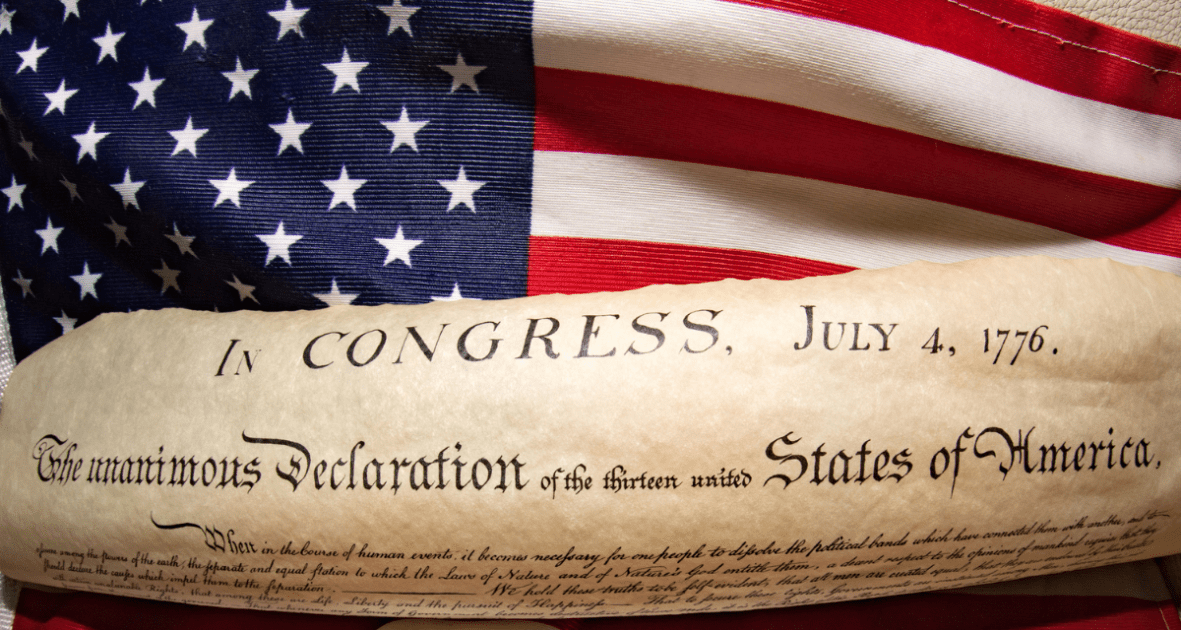
On July 4, 1776, the Continental Congress adopted the Declaration of Independence, a bold and revolutionary document that asserted the colonies’ right to separate from Great Britain. The Declaration outlined the grievances against British rule and declared that the colonies were "Free and Independent States."
Legacy of Independence: A Triumph of Ideals
The American Revolution was a transformative event that shaped the course of world history. The Declaration of Independence became a beacon of hope for people around the globe, inspiring movements for freedom and self-determination. The principles enshrined in the Declaration, such as liberty, equality, and the rule of law, continue to resonate today.
Relevance to the Present Day
As the United States approaches the 250th anniversary of its independence, it is crucial to reflect on the reasons that led to its founding. The grievances against British rule and the aspirations for independence are still relevant in the present day.
- Economic Justice: The issue of fair taxation and economic equity remains a concern, as citizens seek to ensure that the benefits of economic growth are shared equitably.
- Political Representation: The importance of representation in government is still paramount, as citizens strive to have their voices heard and their interests represented in decision-making processes.
- Civil Liberties: The protection of individual rights and freedoms is essential for a just and democratic society, as it ensures that all citizens are treated fairly and have the opportunity to live with dignity.
- Self-Determination: The right of nations to govern themselves and determine their own destiny is a fundamental principle that continues to inspire movements for independence and autonomy around the world.
Conclusion
The 4th of July is not merely a commemoration of a historical event; it is a celebration of the enduring principles that have shaped the United States. As the nation approaches its 250th anniversary, it is essential to remember the reasons for independence and to recommit to the values of liberty, equality, and self-determination. By reflecting on the past and embracing the challenges of the present, the United States can continue to be a beacon of hope and inspiration for people around the world.







Closure
Thus, we hope this article has provided valuable insights into The Enduring Legacy of the 4th of July: Reasons for Independence in 2024. We hope you find this article informative and beneficial. See you in our next article!